

A ride through LA’s life source
Bike camping in the Owens Valley.
Bike camping through the Owens Valley.
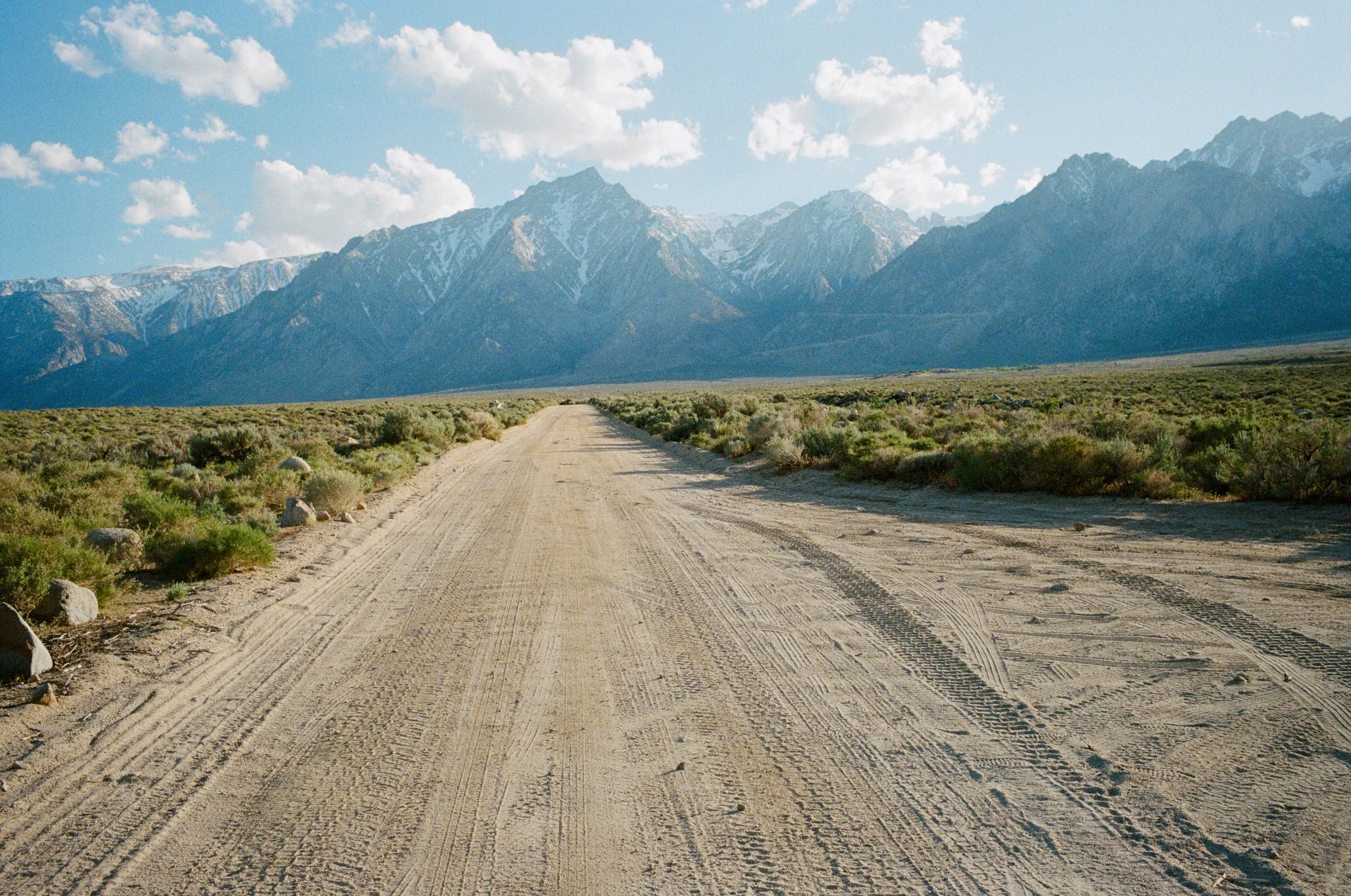
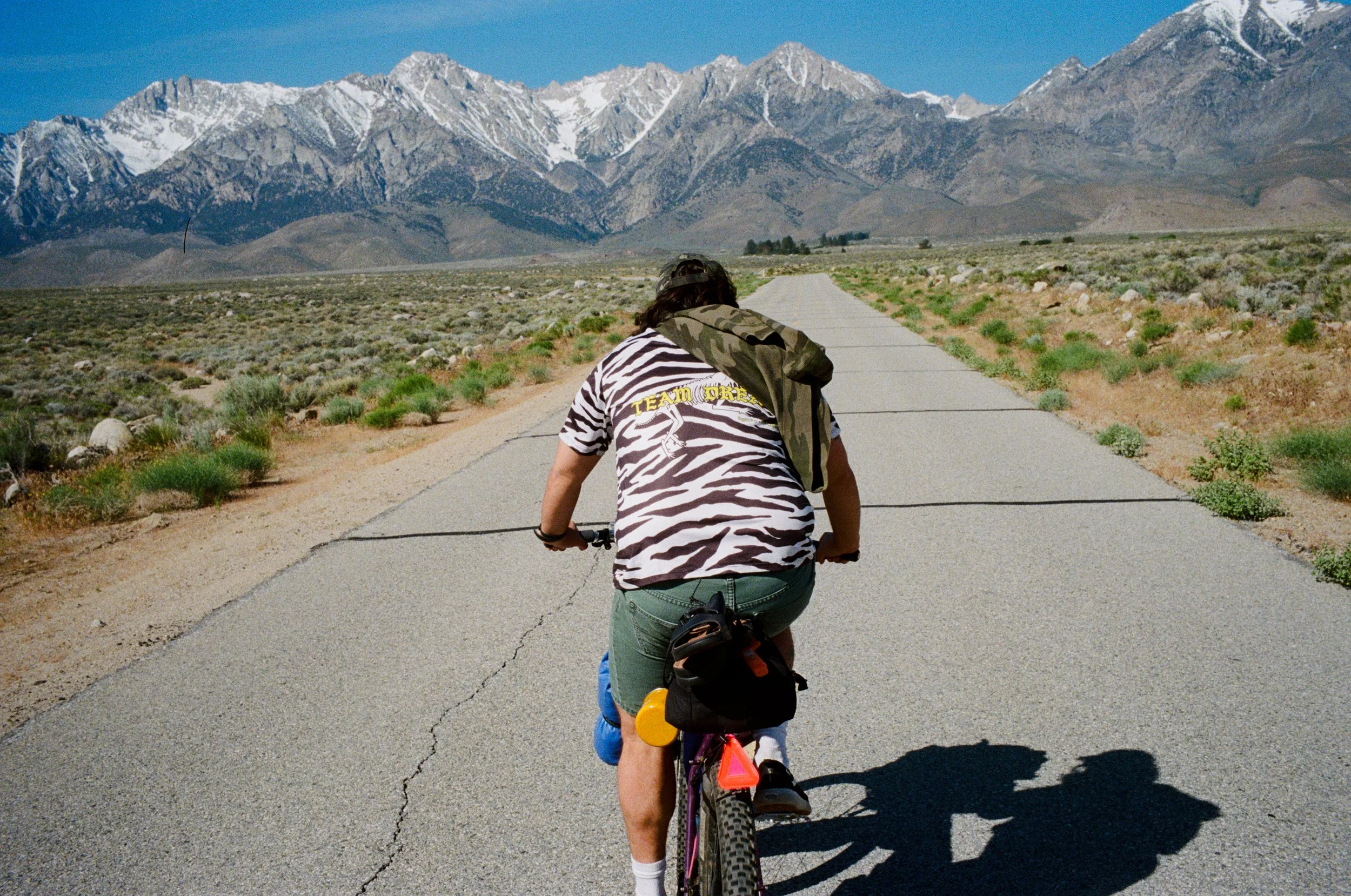
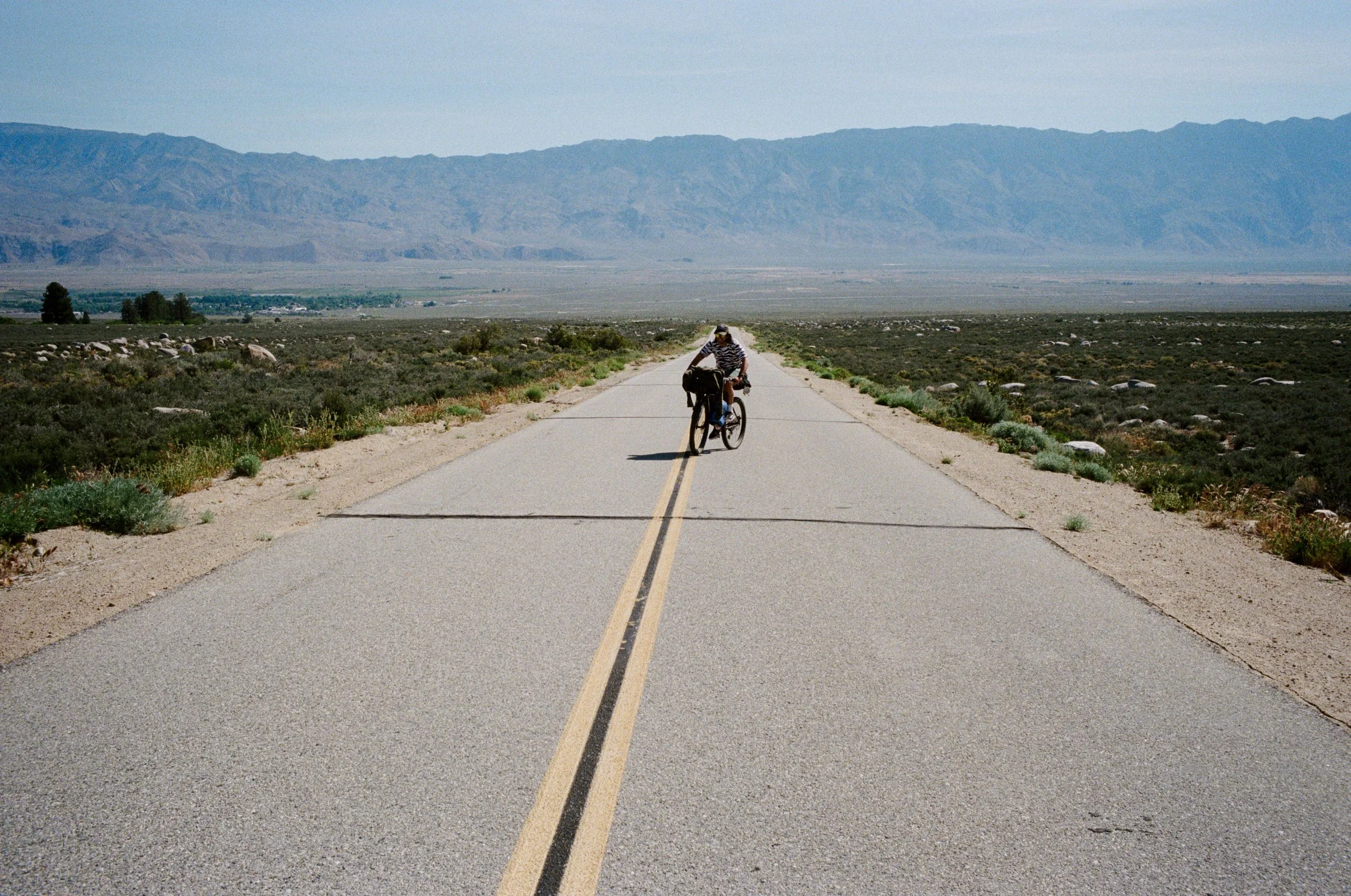
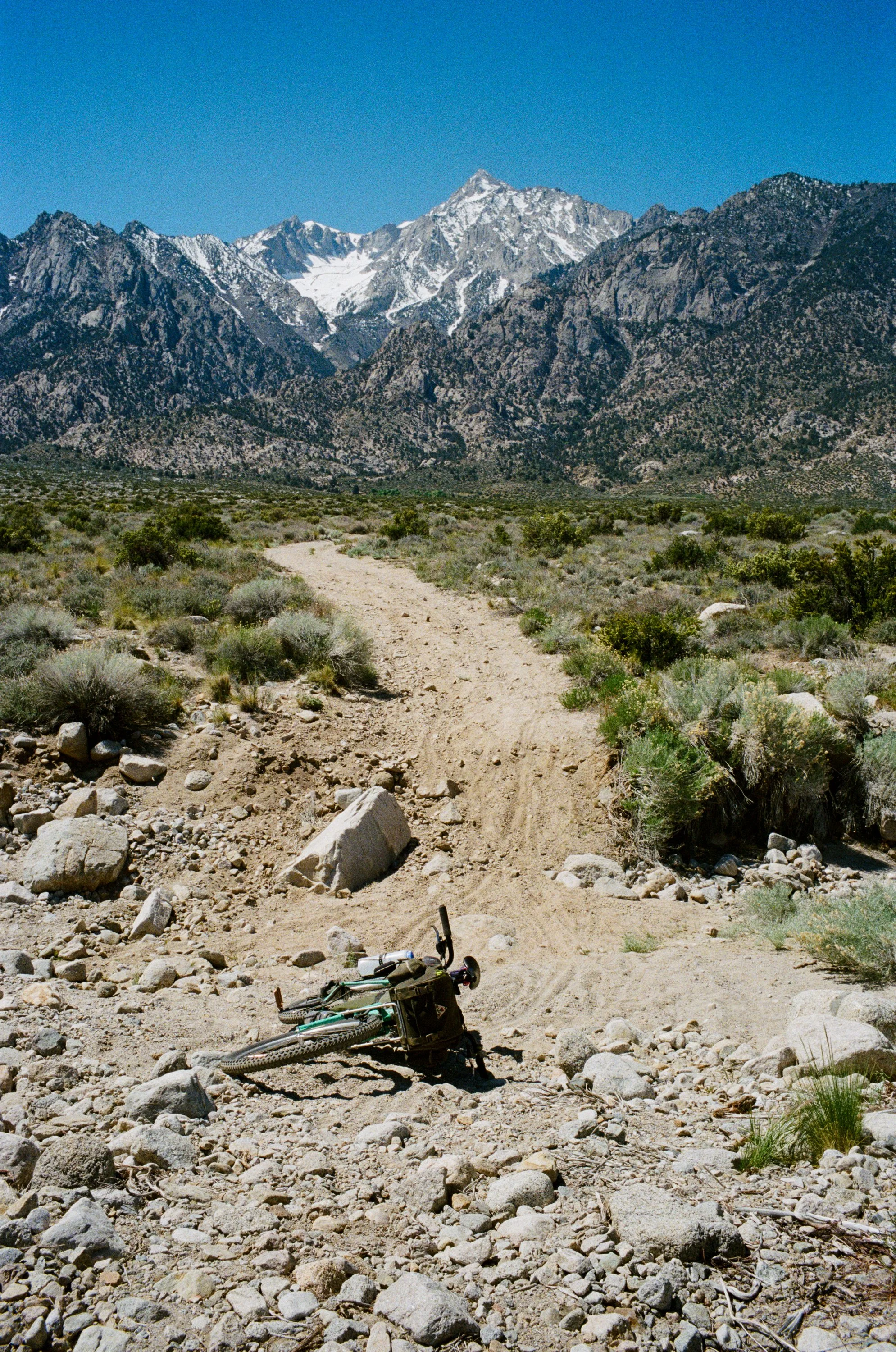
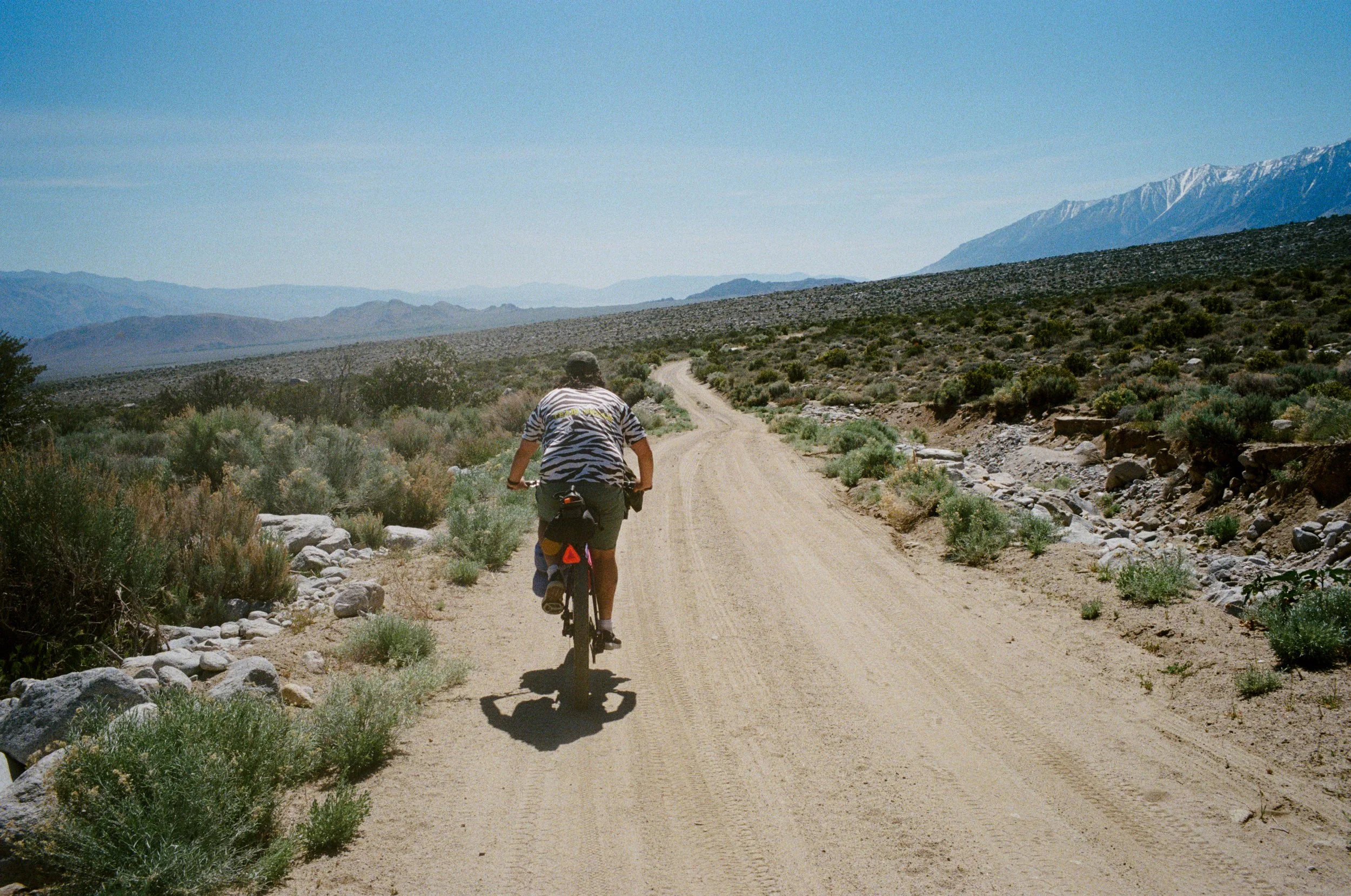
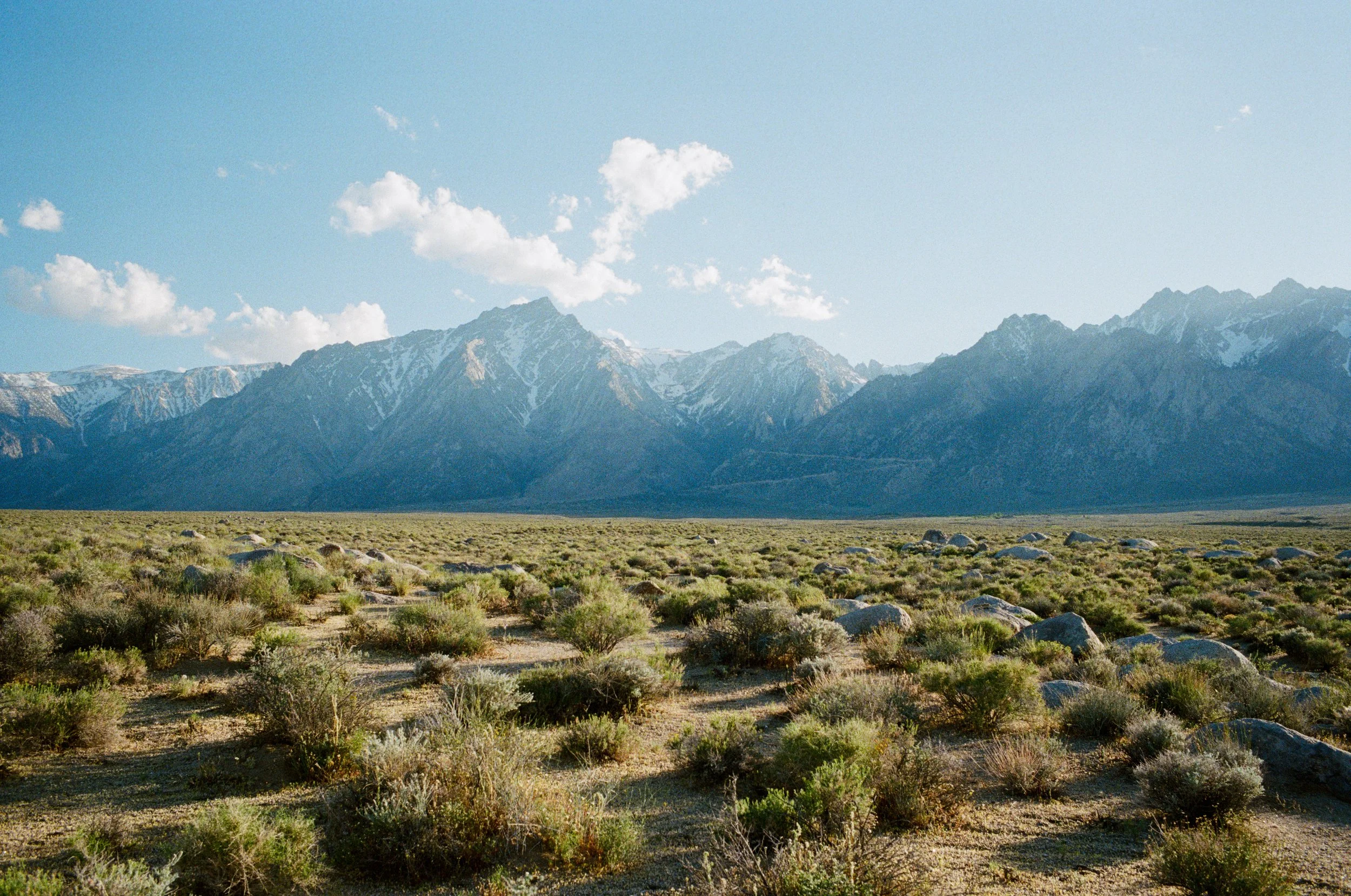
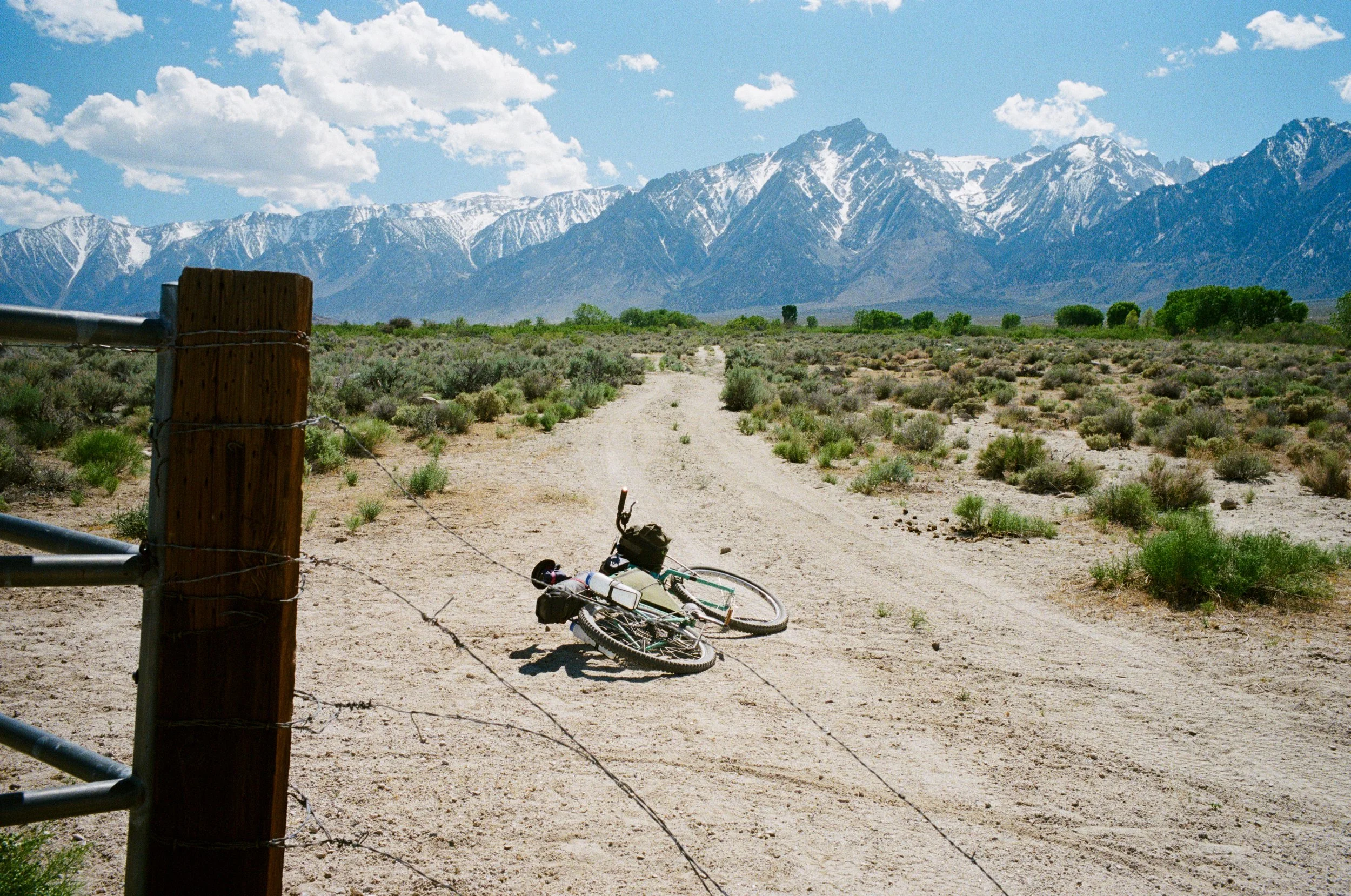
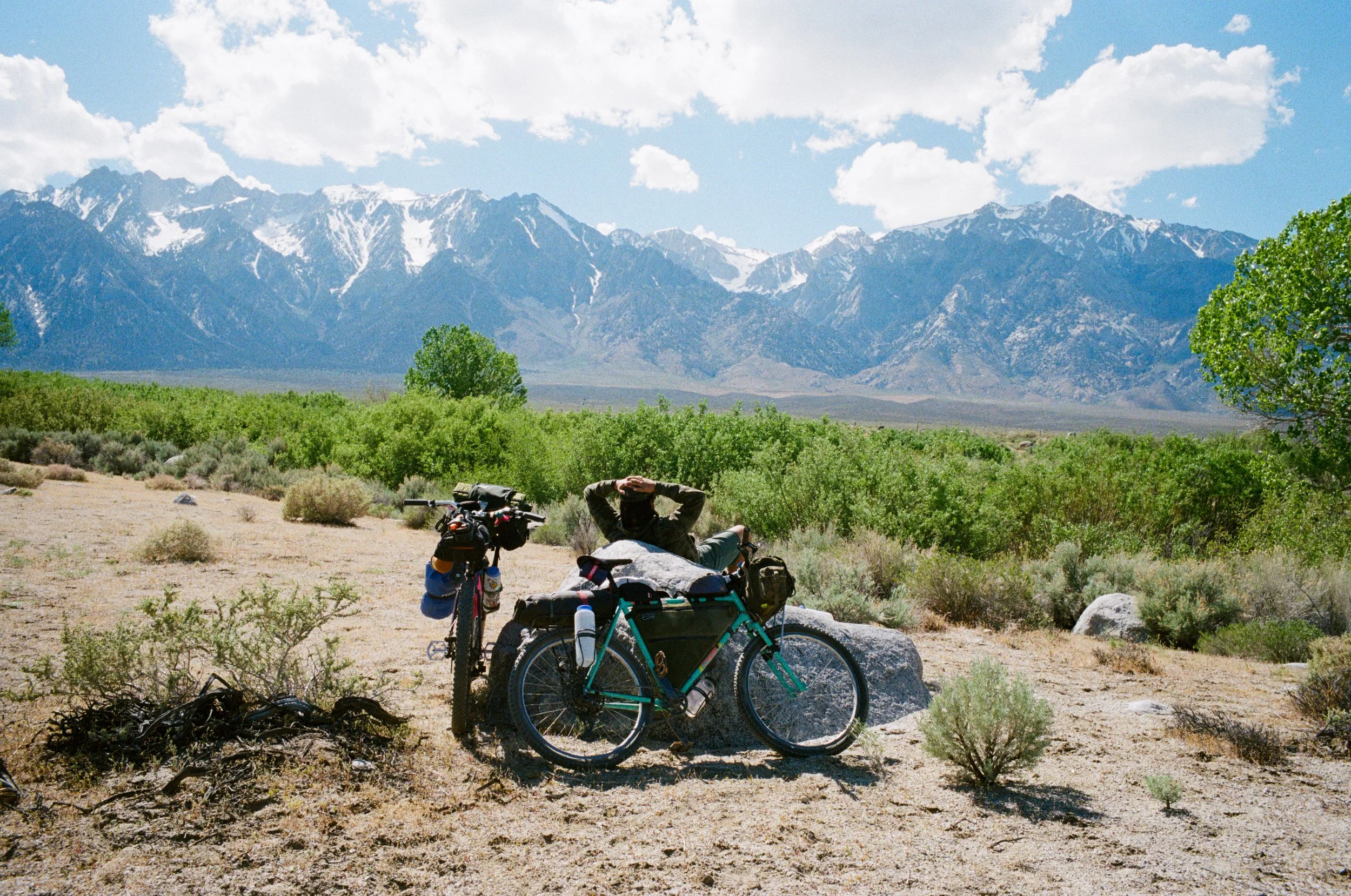
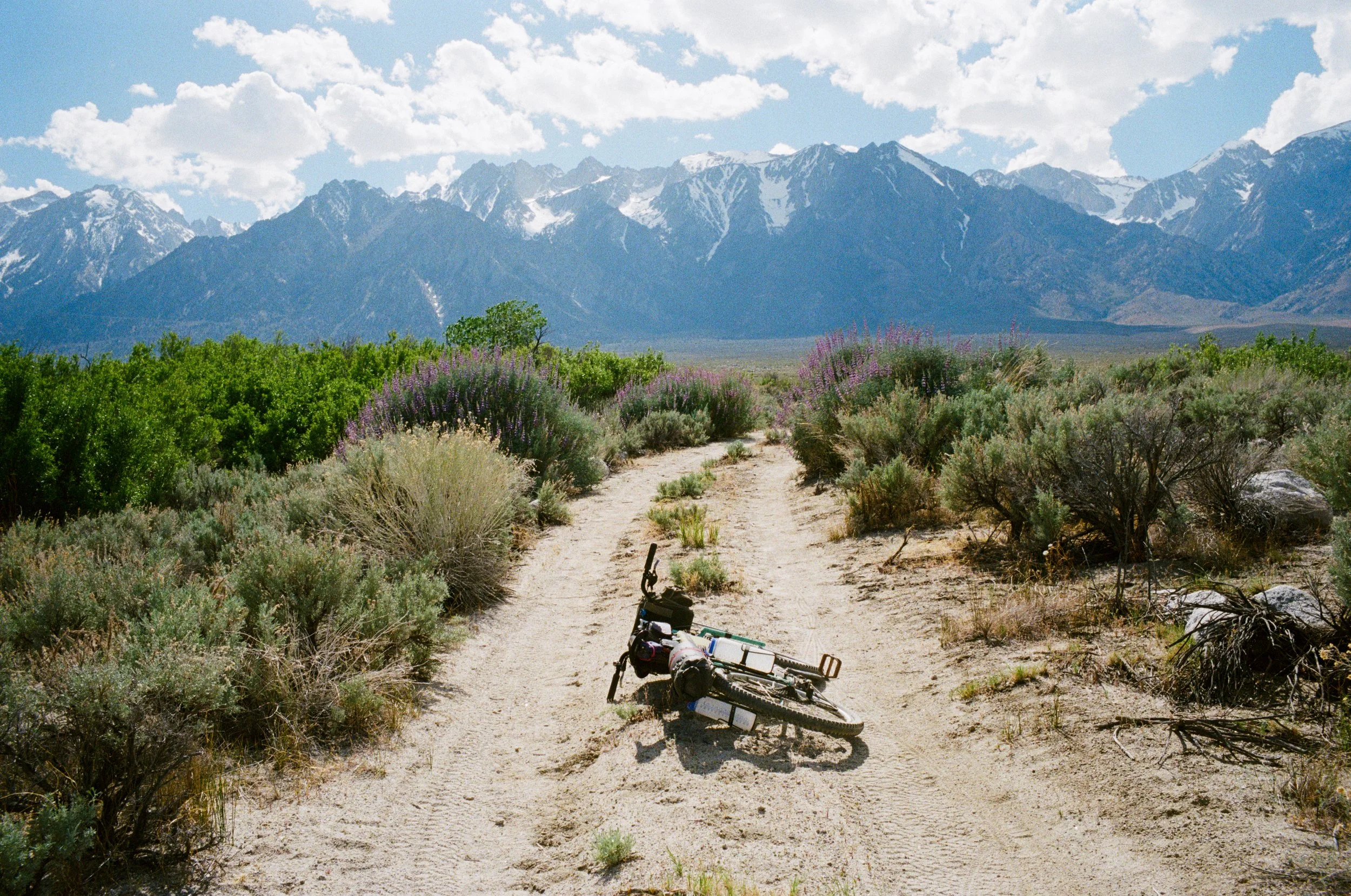
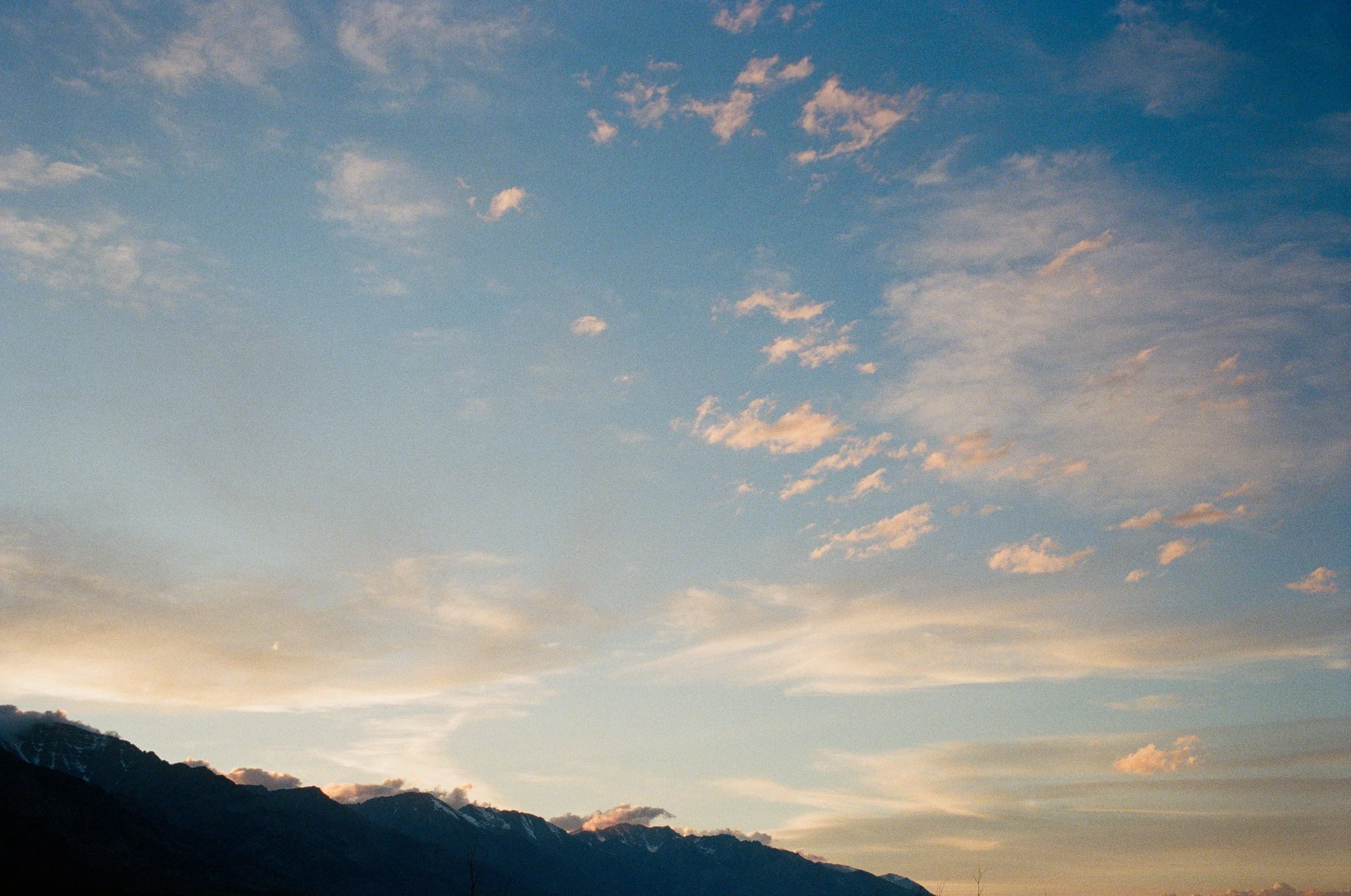
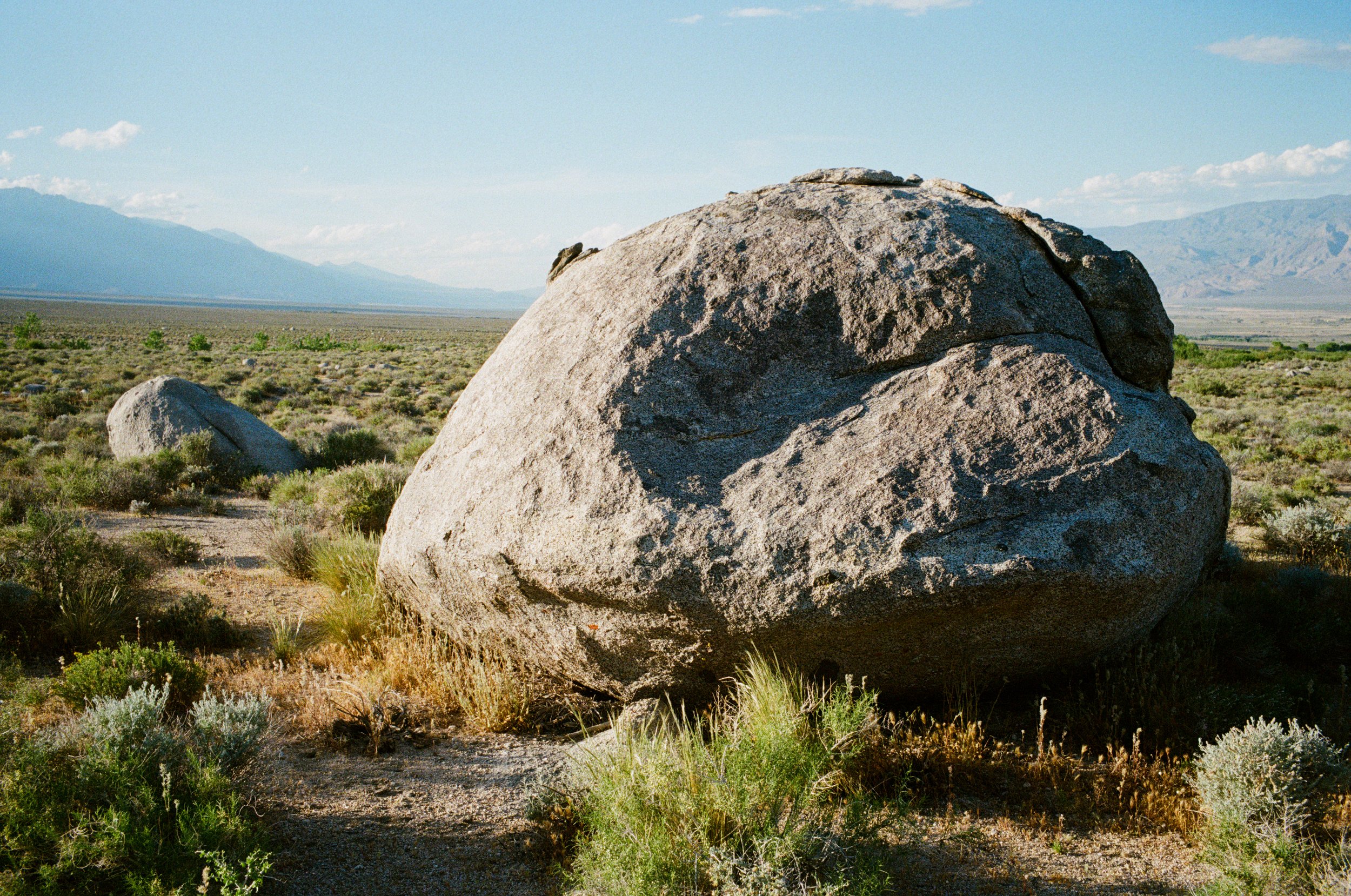
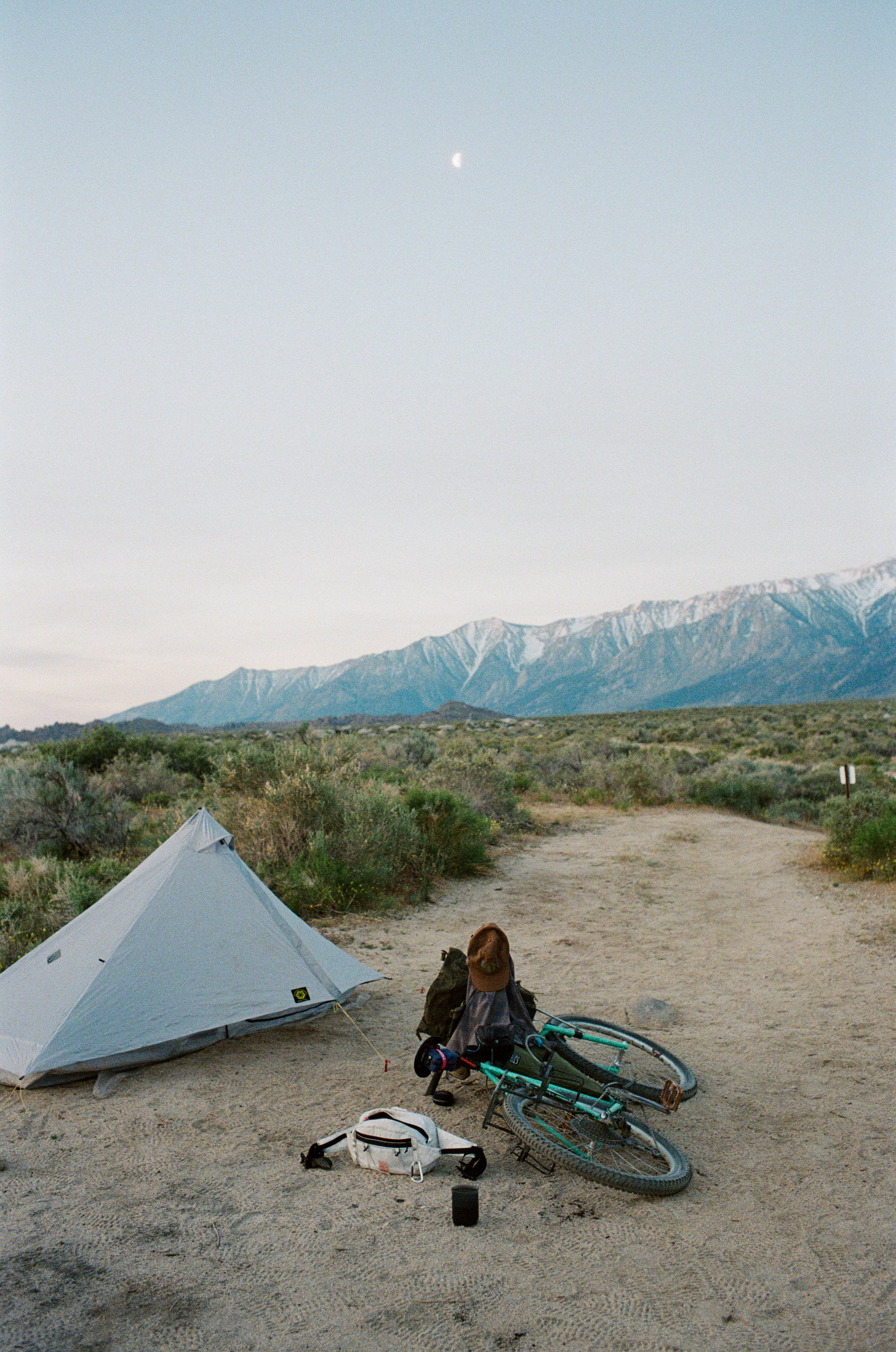
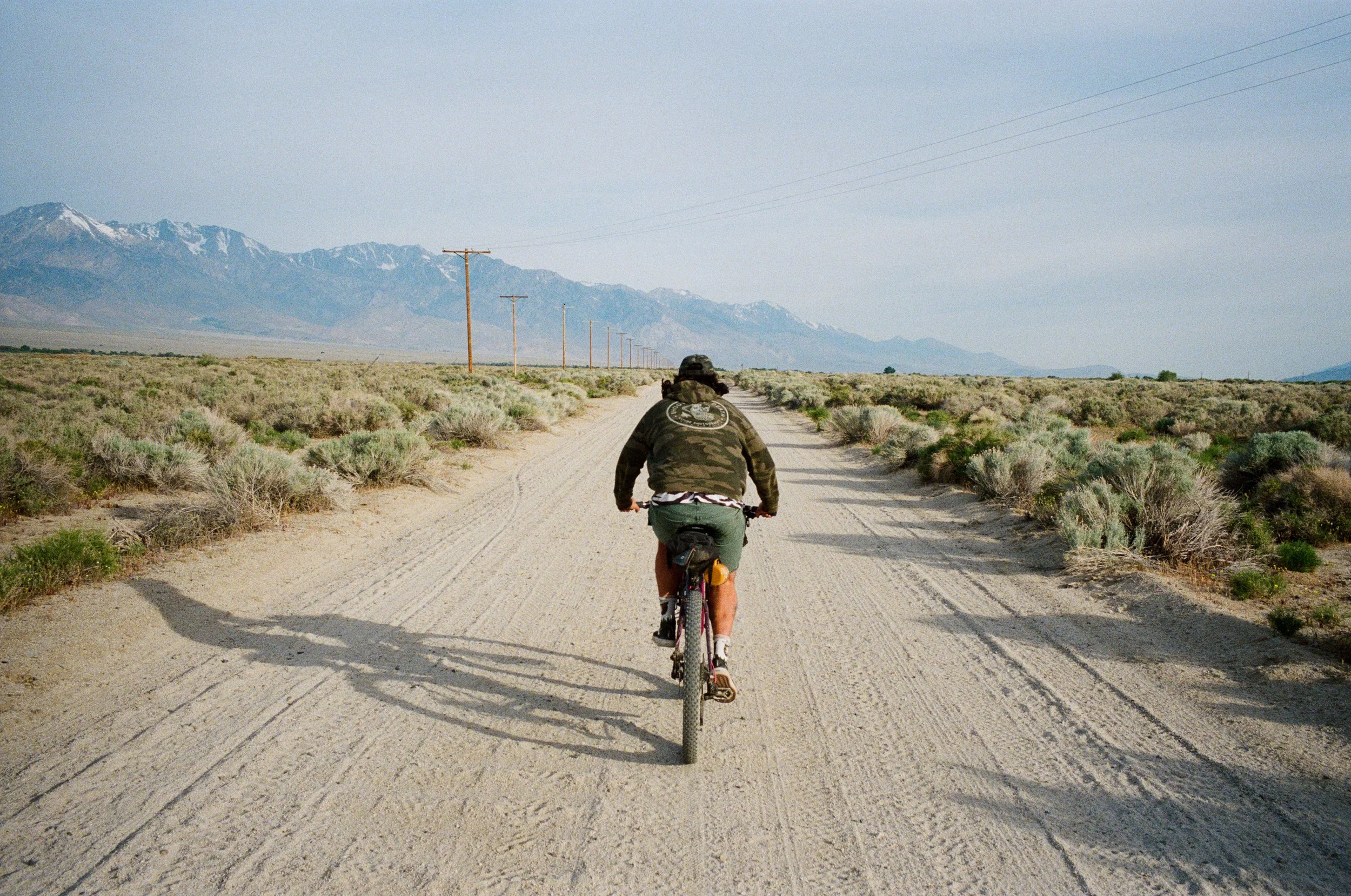
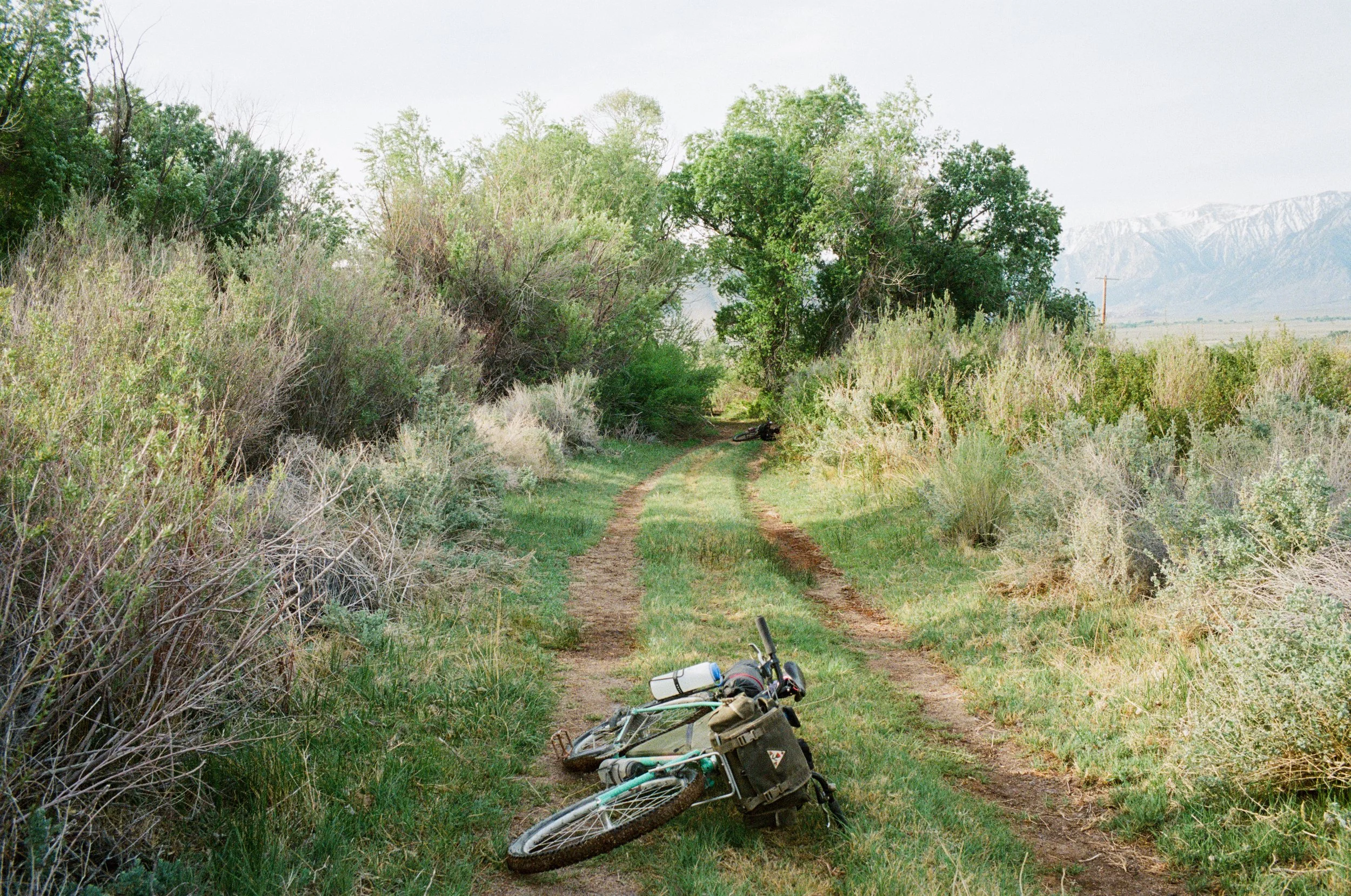
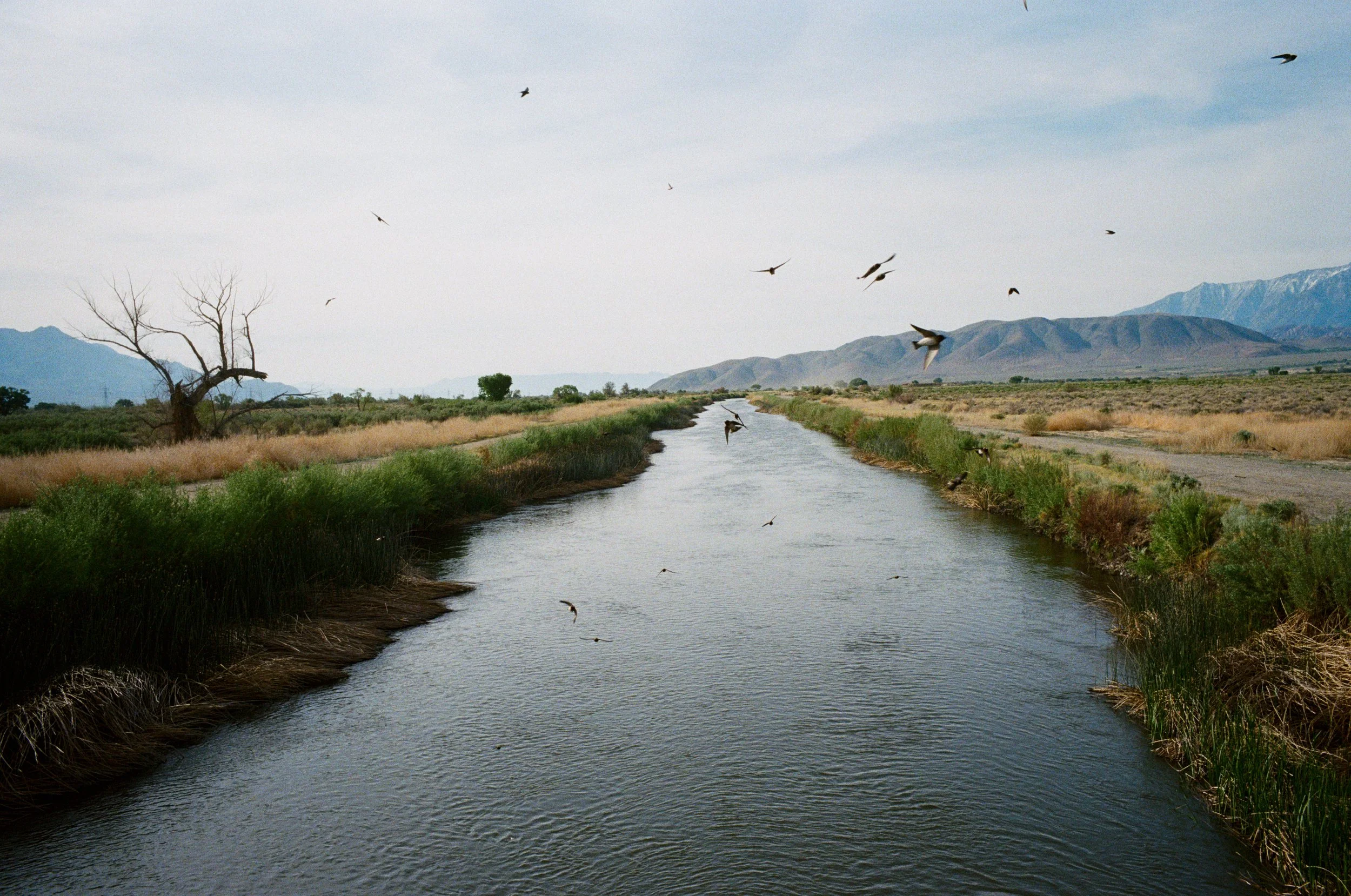
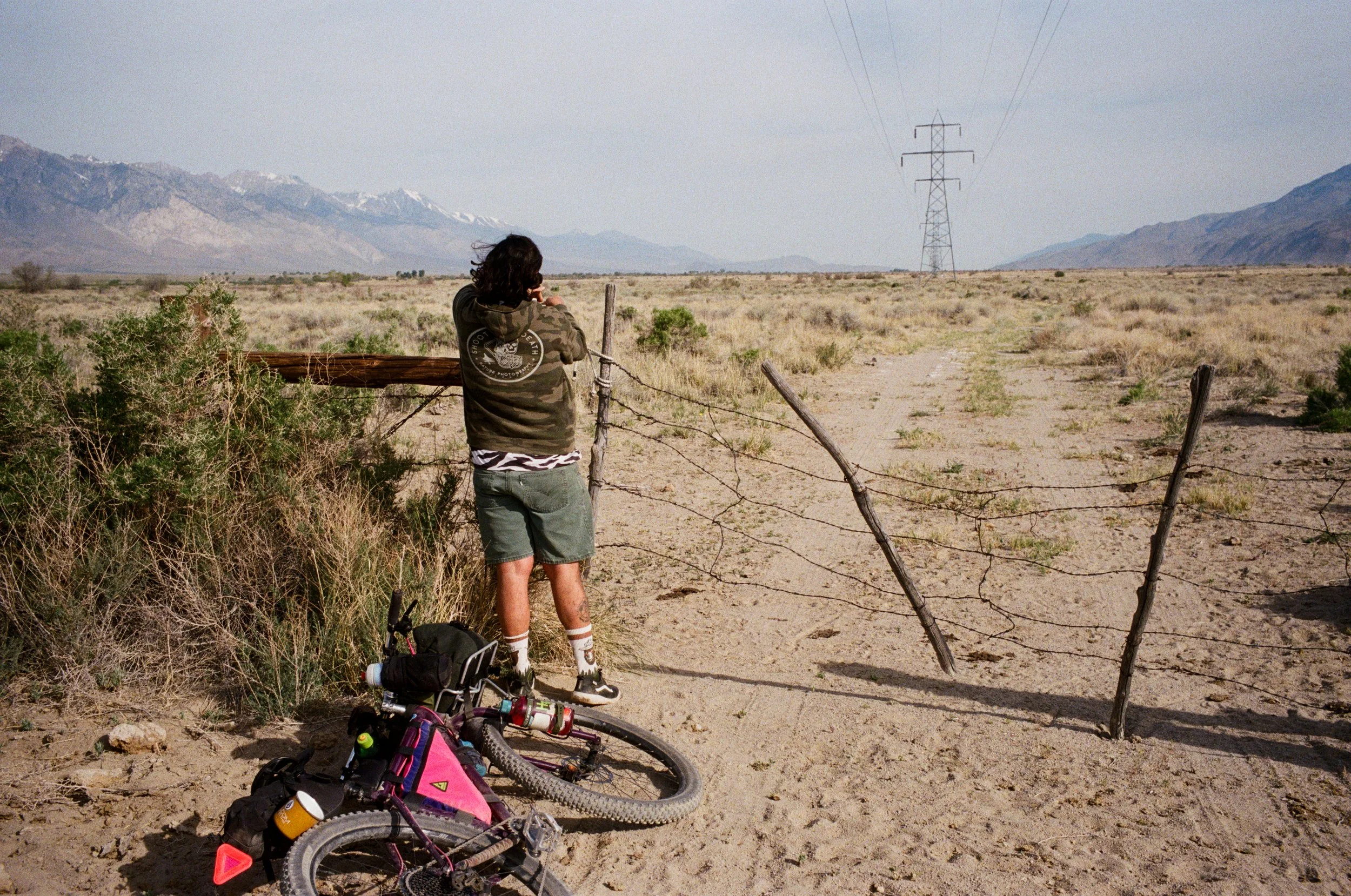
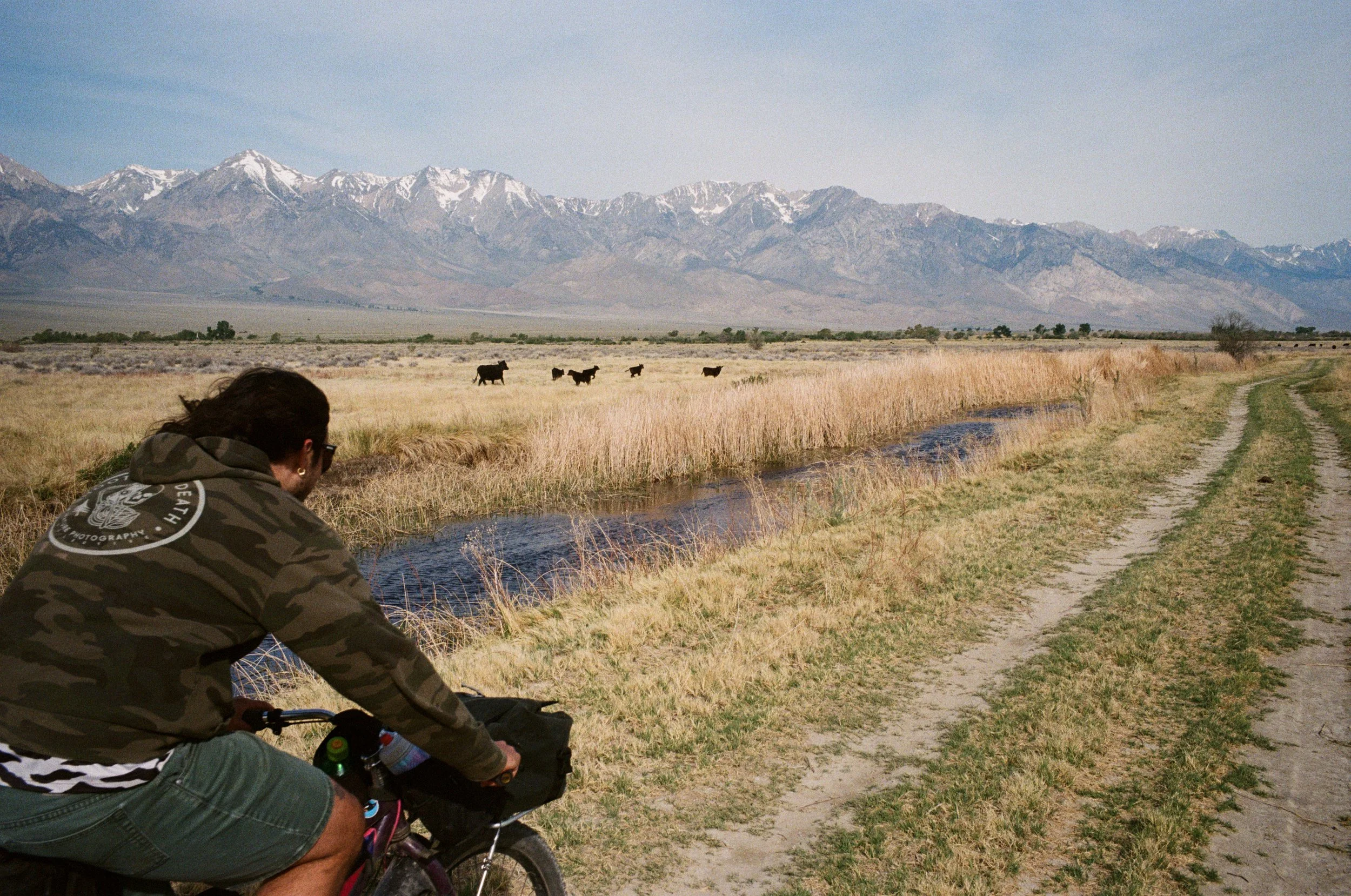
The Owens Valley - quite a special and unique place. The valley floor runs between 14,000+' peaks on either side. Mt. Whitney reaches over 14,500' to the west and is the highest mountain in the lower 48 - only 3 hours from home in Los Angeles. Adding to this uniqueness, the lowest elevation, and the location of the hottest recorded temperature on the planet is only a mere 85 miles away. So much marvel lies here in this region.
A bleak history
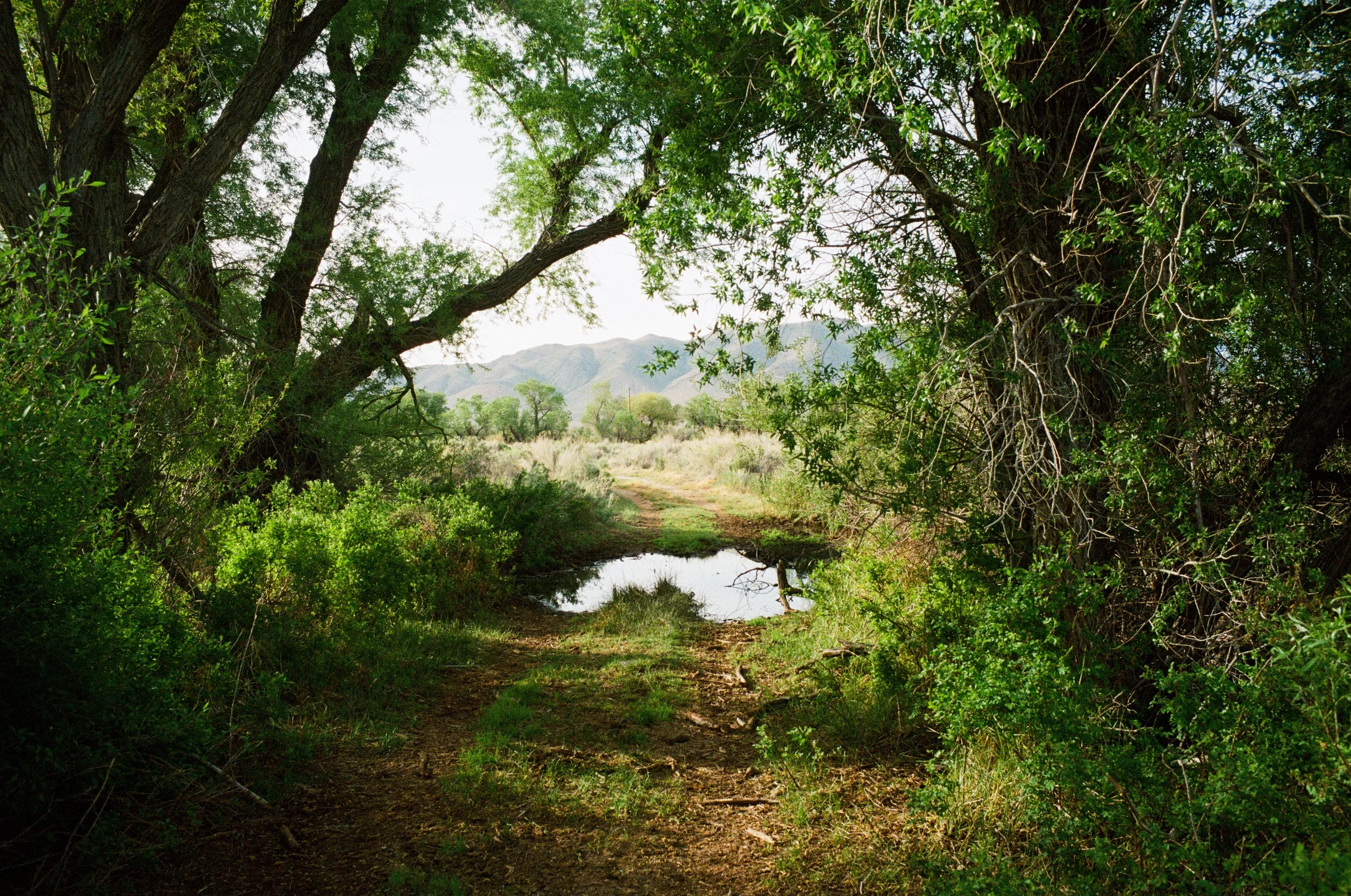
While there is still so much life and wilderness diversity in this region, the landscape is a heavily modified version of what it once was. Over a century ago, the valley was naturally lush, and green. With plenty of snowmelt runoff flowing down from the eastern slopes of the Sierra Nevada mountain range, life down below was everywhere, and water was in excess for those inhabiting the region.
Yet, some 200-ish miles south, the population was growing in a city looking to expand. Los Angeles was hoping to become a metropolis by the sea. An oasis with near perfect weather year round, beautiful scenery, and a landscape mostly untouched. However, one thing was missing. Water.
Humans had been living well in the Los Angeles Basin for several thousand years, and water was not and issue for this relatively small population of native Tongva people. But with this 'growth for the sake of growth' mindset us modern humans have, it wasn't long until settlers decided to take over and expand.
In the early 1900s the Los Angeles Department of Water and Power was born, and shortly after, the city began buying up as much land as they could along the desert stretch to the mountains north. Before anything could be done, an aqueduct was constructed, funneling water on gravity alone - no pumping required - to quench the thirst of the Angelinos.
While the feat was quite incredible, even by today's standards, life in the Owens Valley was forever changed. Water was taken from the people, animals, and flora of the Owens Valley for seemingly no reason other than greed. But life goes on here. And while the city continues to take from the region, growth persists and immense beauty is still abundant in the area. And this is why I return so frequently to experience to wonders of this scarred landscape.
An overnighter in the valley
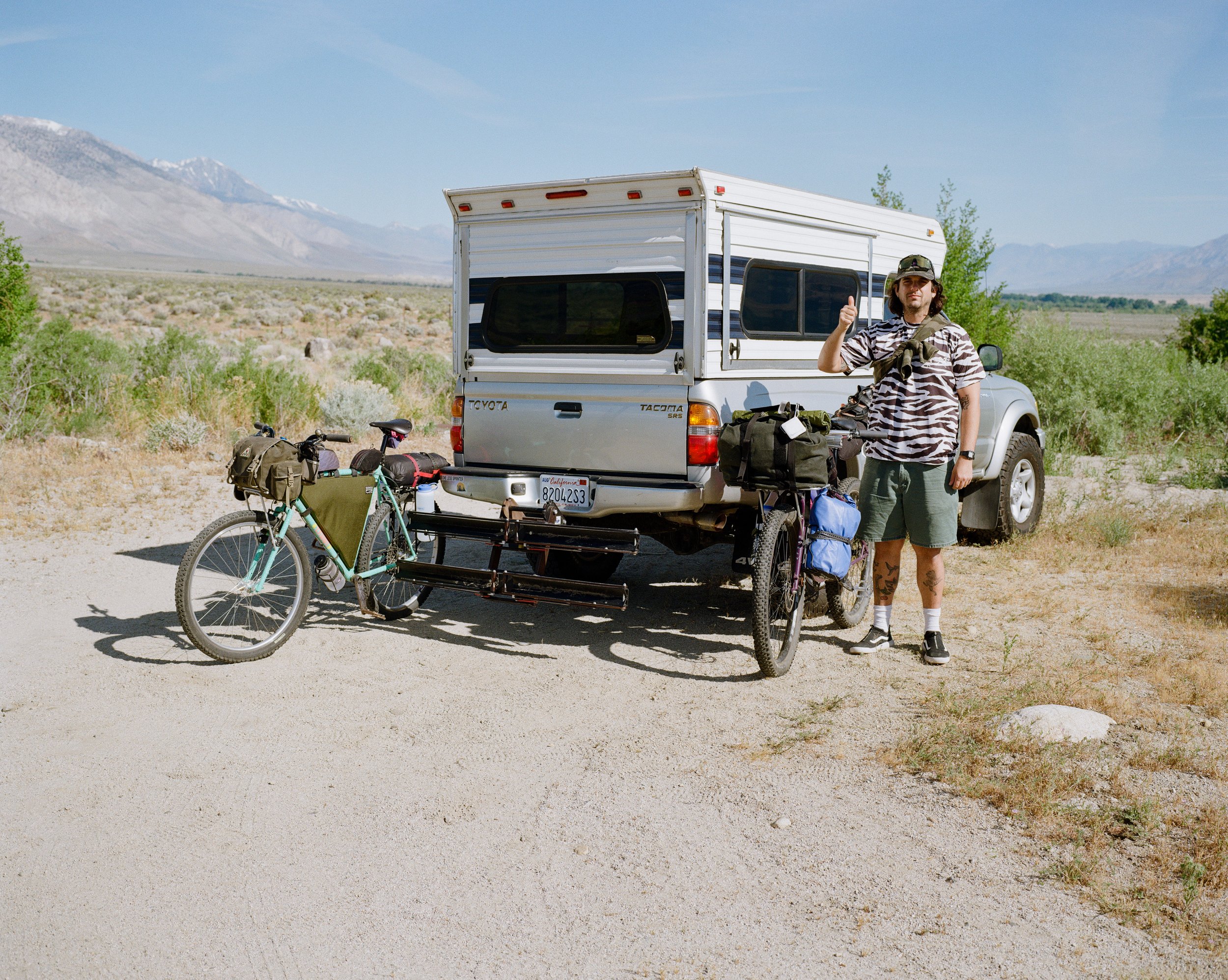
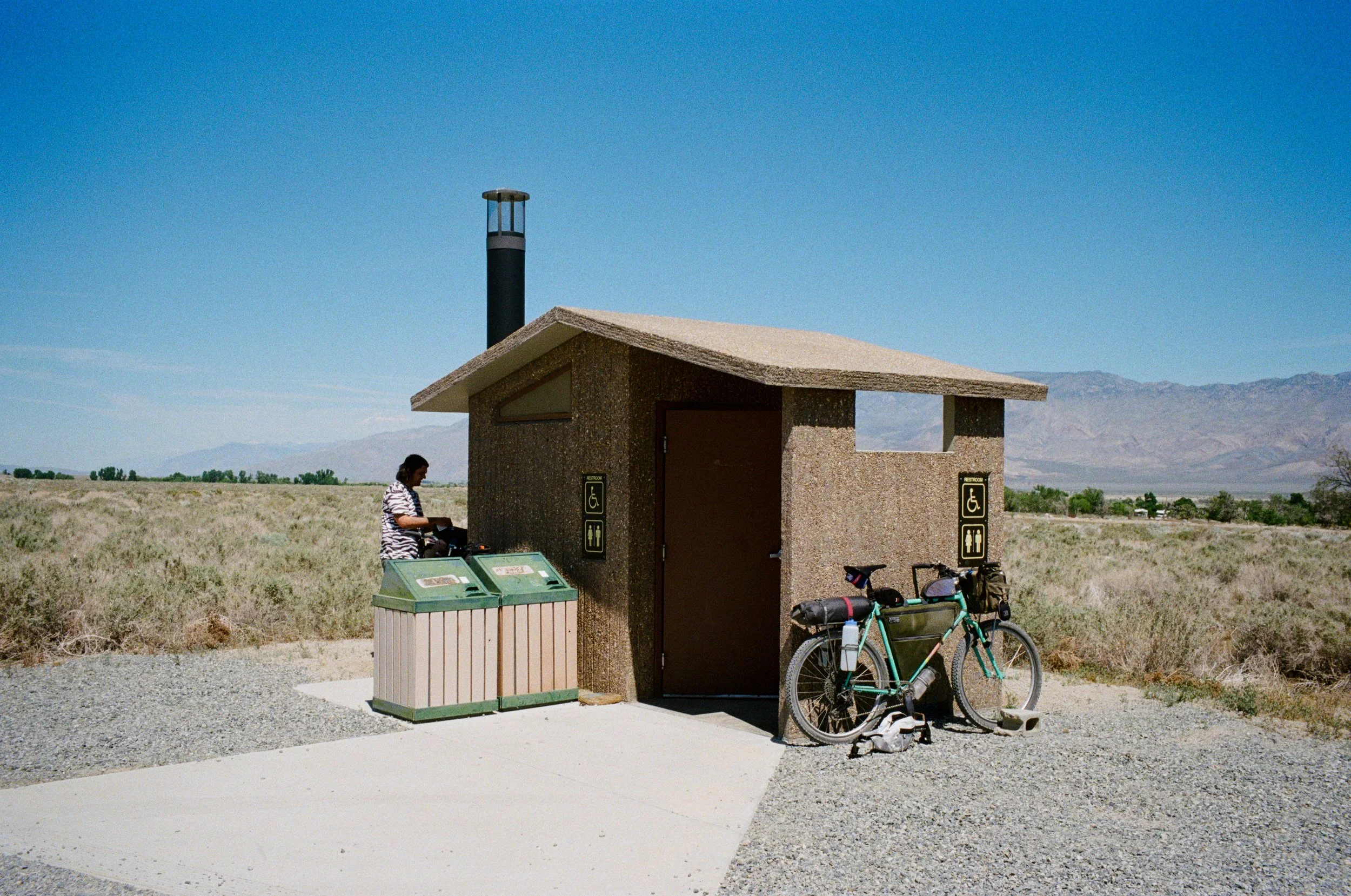
We set off from LA in my loaded camper for an overnight bike route in the Owens Valley. Anthony and I have been hiking, biking, and camping along the HWY395 corridor together for many years and we always manage to get into something new.
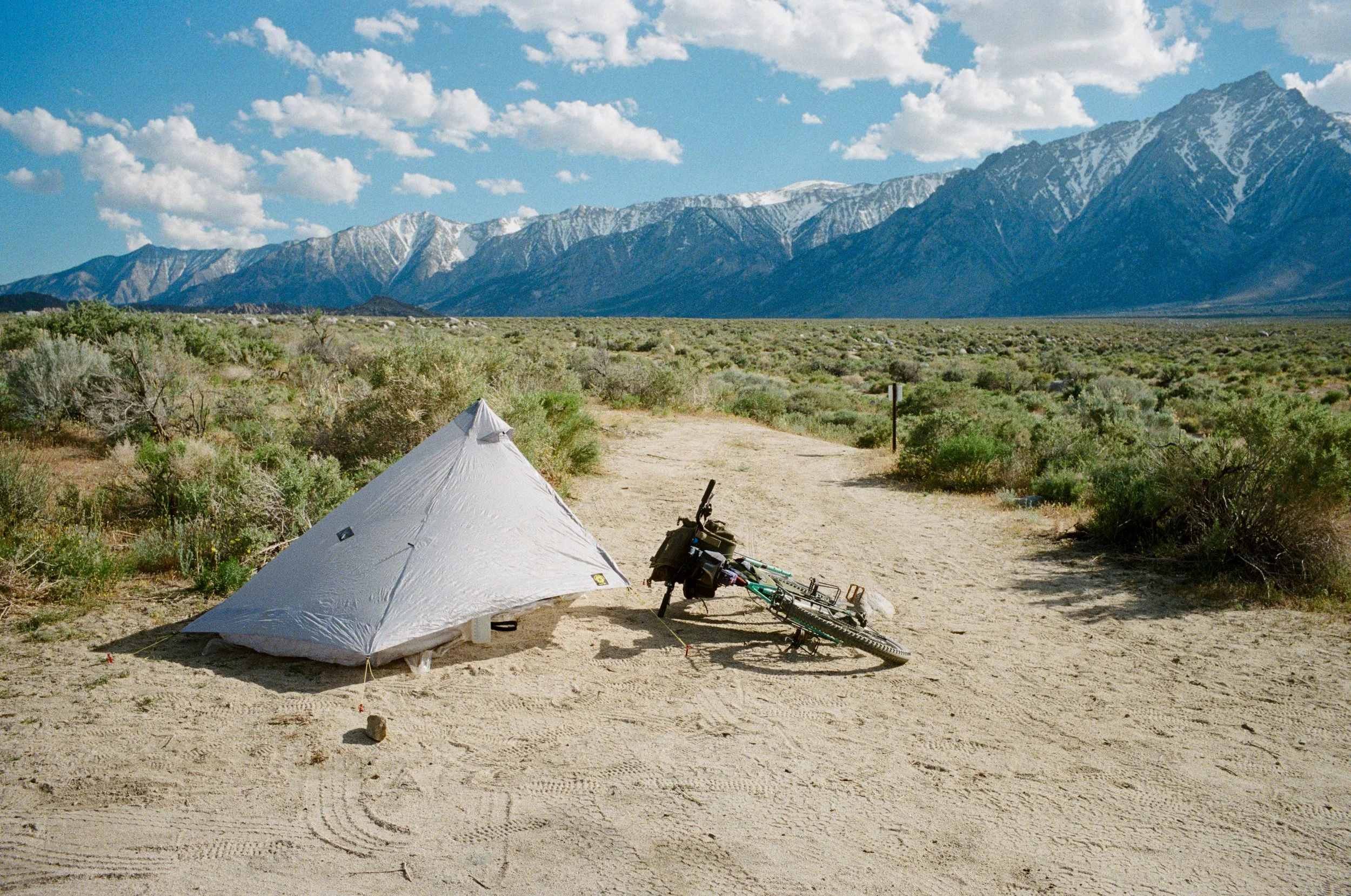
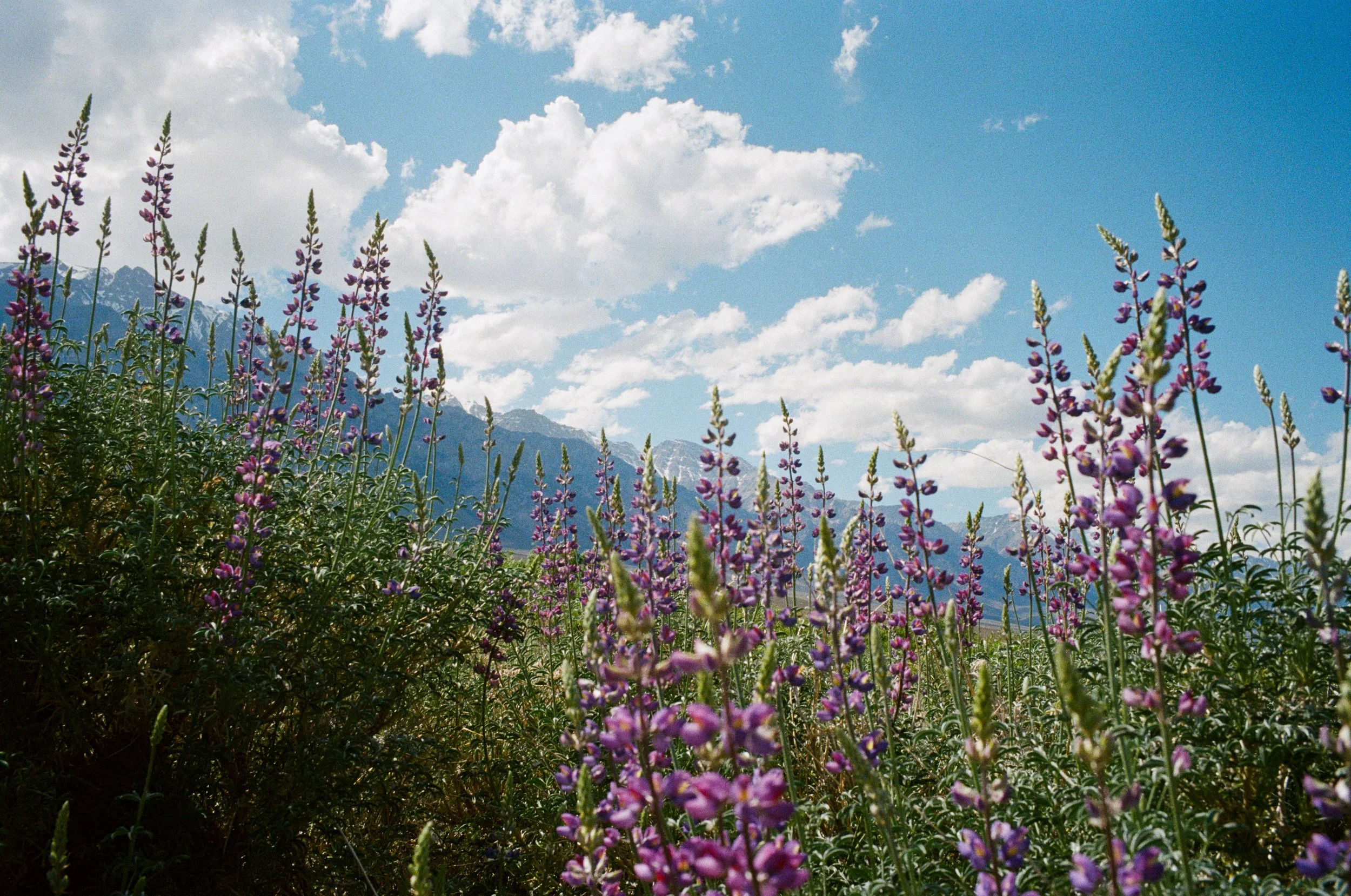
We pulled into Independence shortly after sunrise and packed up our bikes for a night out. It wasn't long until life in the valley was evident. Bees flutter from blossom to blossom as they work to pollinate spring's newest flowers. Yellow, purple, white, red - dancing in the breeze. Spring time here means the snow is beginning to thaw, and even this year with relatively little snow on the Sierra above, runoff is enough to allow a colorful array of vegetation to dot the ground beneath.
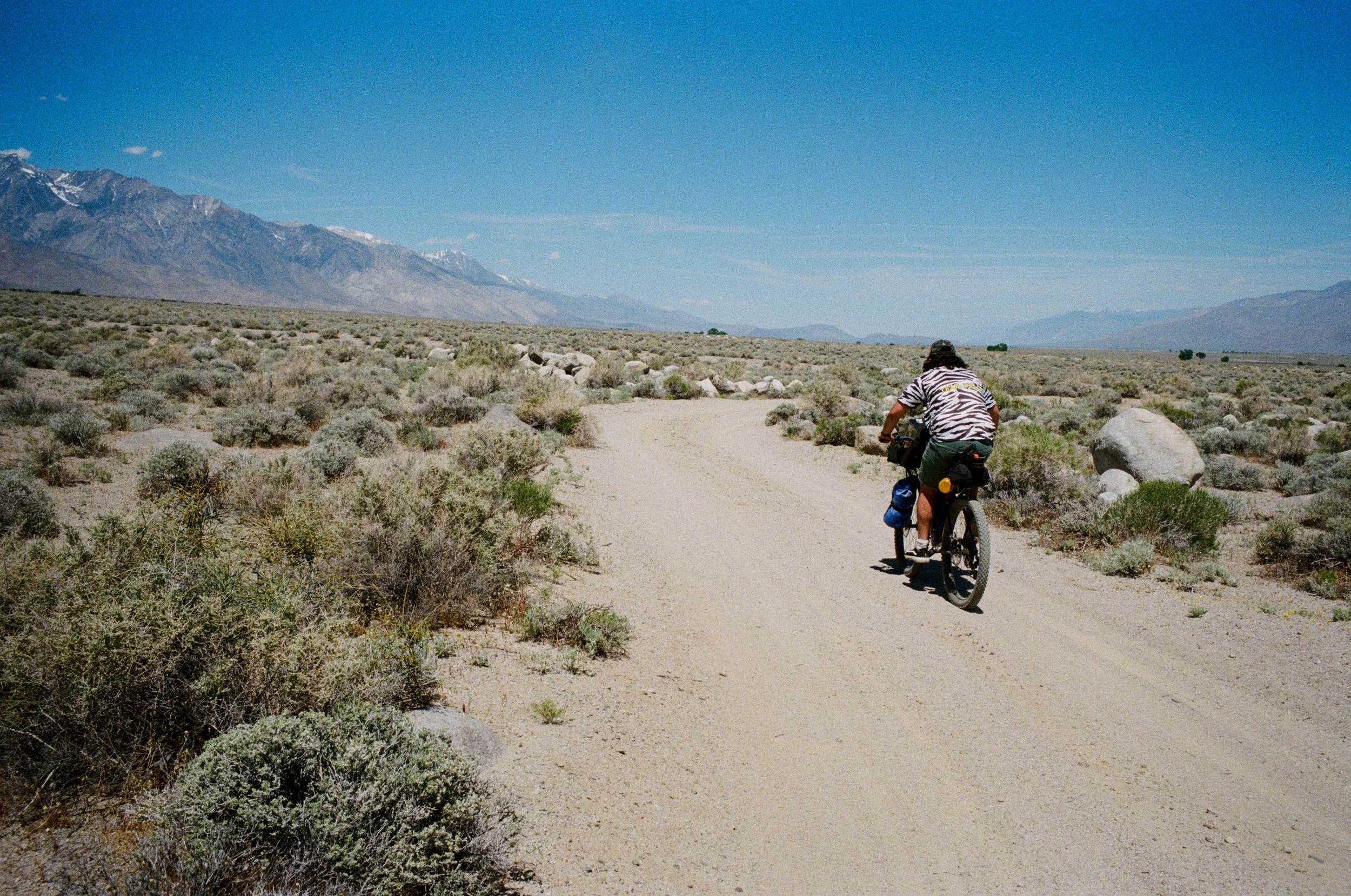
The lizards - spotted yellow and black, Leopard Lizards, scramble throughout the region. As I ride down the loose dirt road, my tires kick up dust and the sounds of the roller rubber on the granite rocks startle these reptiles during their midday tan. Baking in the rays from the sun, these cold blooded creatures move much quicker than I on my encumbered bicycle - loaded with food rations and supplies for this night out cooking under the stars, and sleeping in my synthetic down quilt. They bolt to the covering of a nearby rock when they hear (or feel?) me coming down the trail.
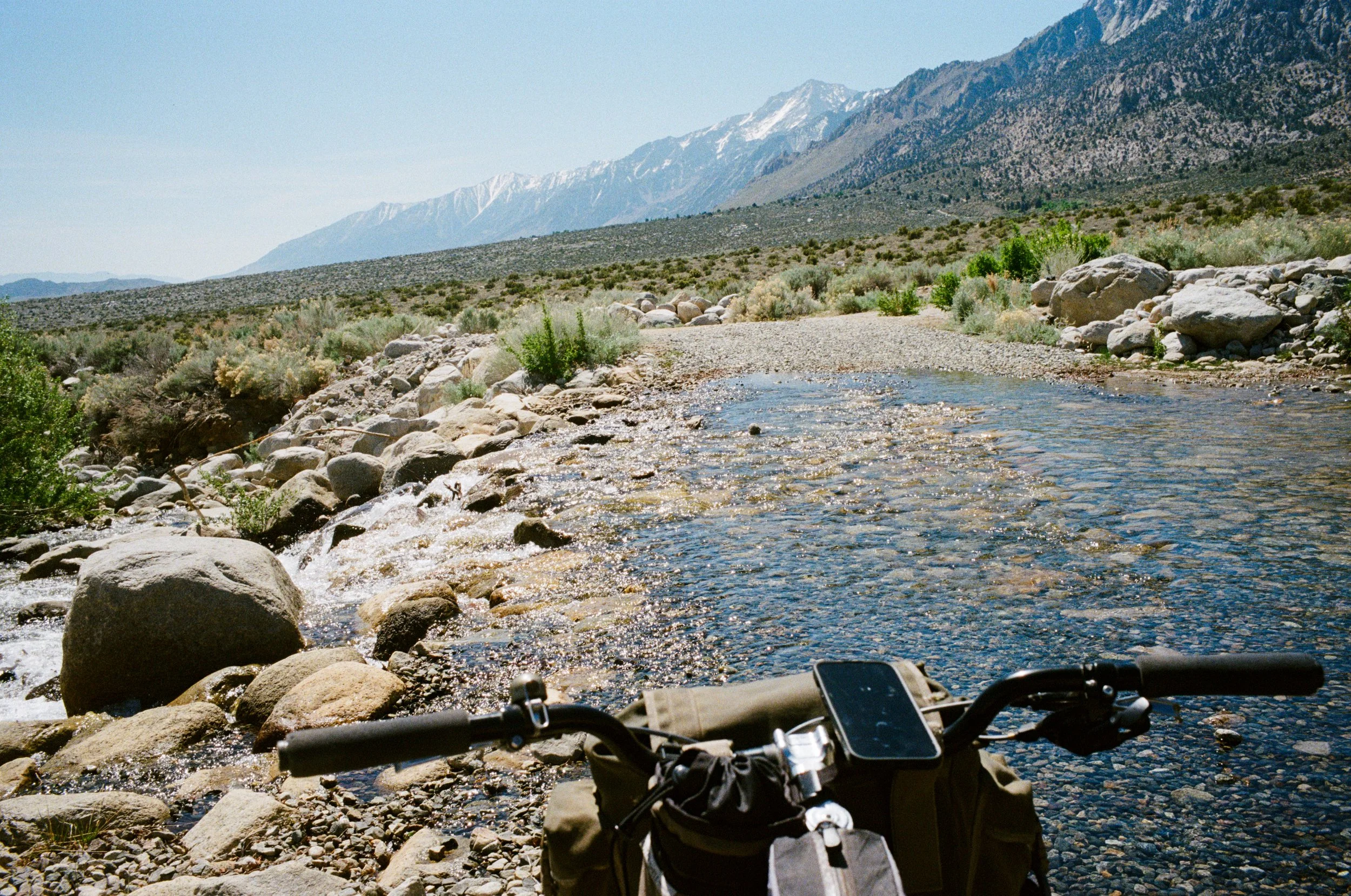
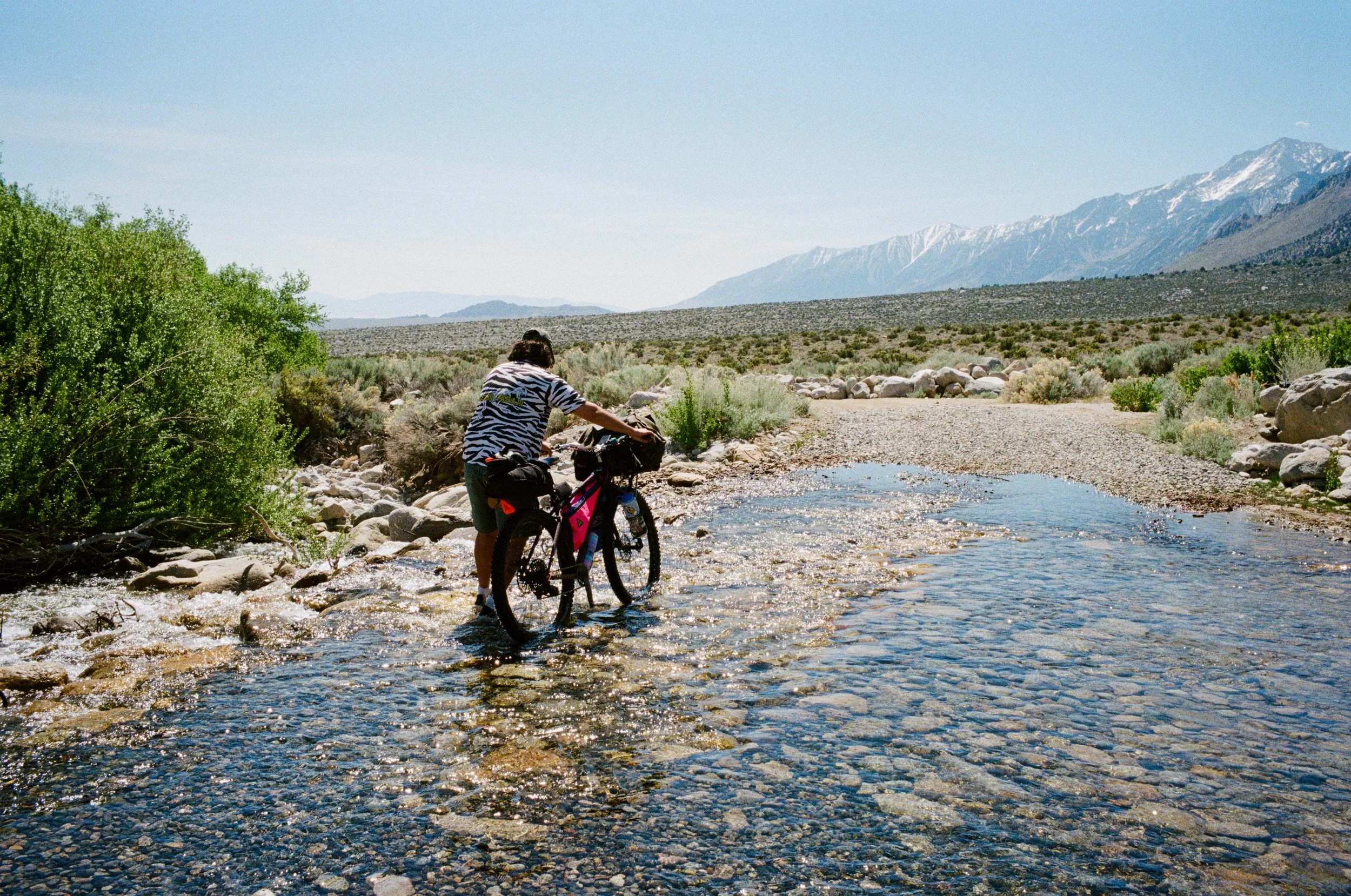
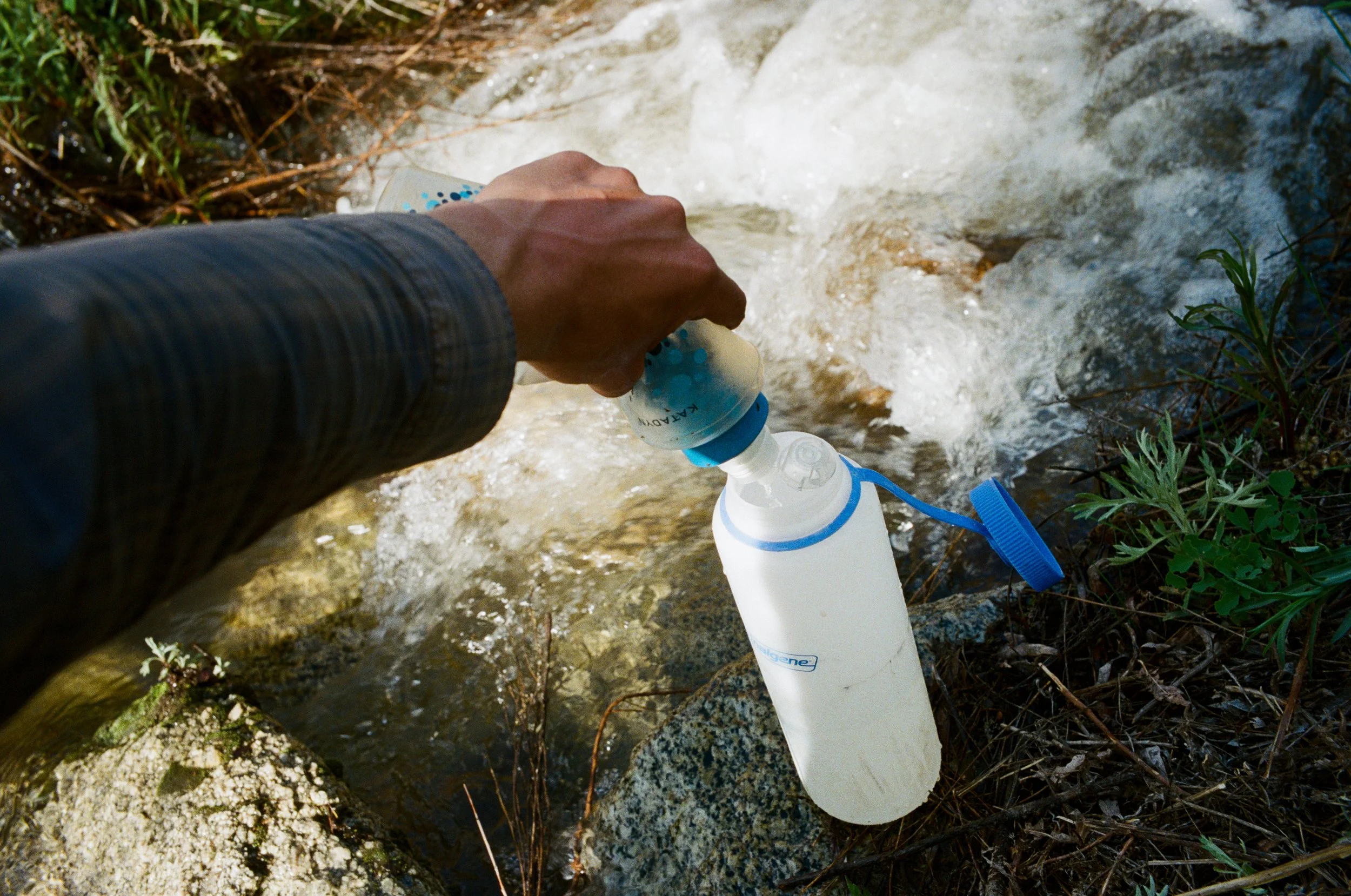
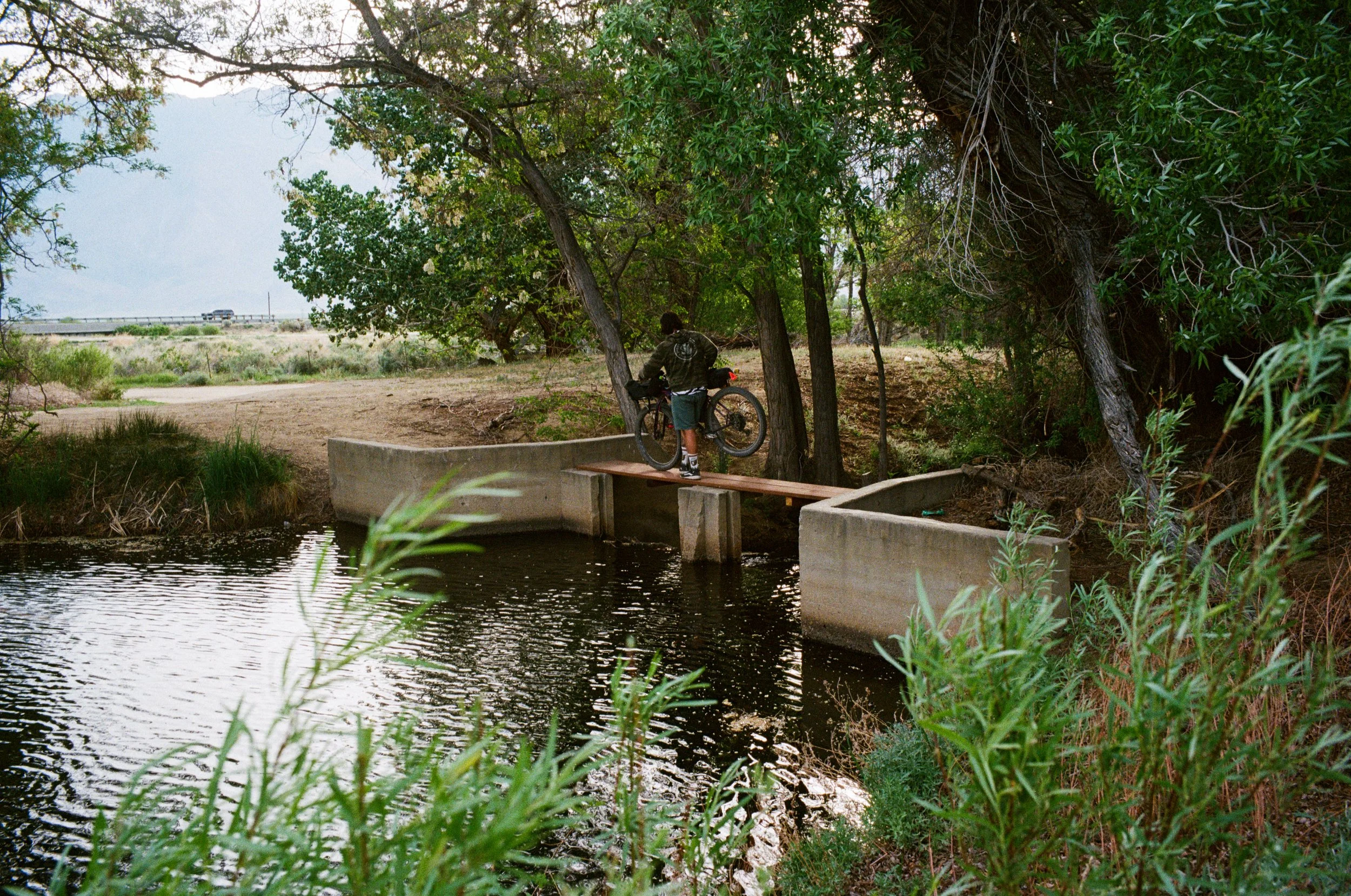
Climbing through the hills, we cross streams channeled down from the high Sierra above. Not too much snow on them that is visible from the valley floor on the east side, considering it's only April. But these creeks will flow year round as the snowpack melts off until winter precipitation restarts the cycle. Because of this, it is quite easy to source filterable water here along the west side of the valley. We carry enough capacity for us to safely travel and camp even in the event that we don't set up near one of these streams, but thankfully we do not need to carry enough for us to navigate the entire loop with one load.
The bikes
Bikes allow for a special way to traverse through the landscape. Certainly not as slow paced as walking, but you get all of the same emotions and connections to the land itself. There is no windshield in front of you to block the scents of the sage besides you. No hum, or growl, of an engine to allow you to miss the wail of an overhead Condor. And when things get a bit hairy, you fall to the ground and bloody your hands and knees.
Scrapes are something more of us need in our time here on Earth. Getting out of the car allows us to feel much more than we ever could from behind the wheel. We need that leg full of cholla, or the skin peeled hand after a fall while descending through some rocks. Otherwise, things get too mundane and routine. The sense of protection we feel as adults at home is only an illusion, and once we step outside of our comfort zones, like we did when we were children are we reminded of that.
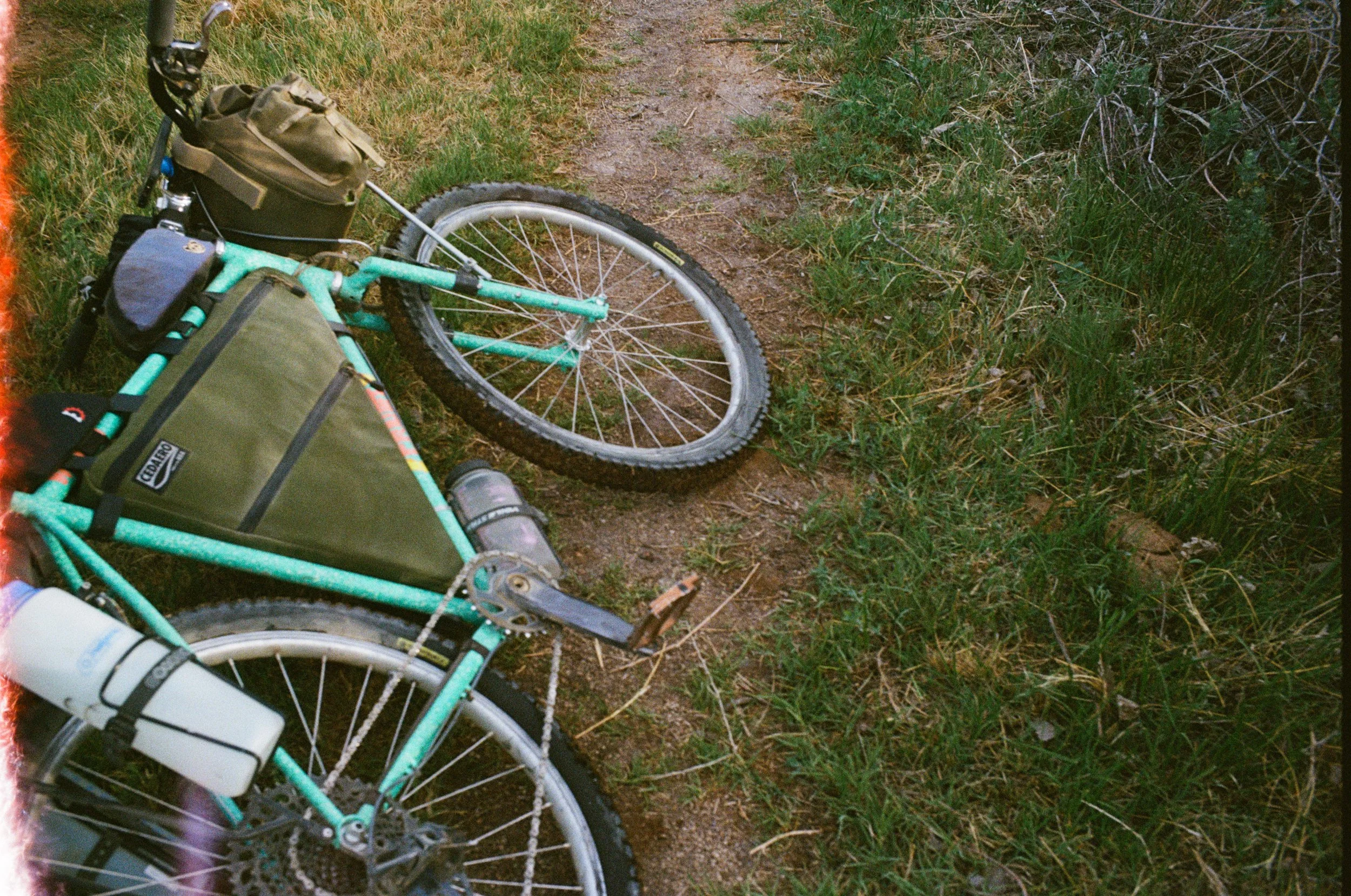
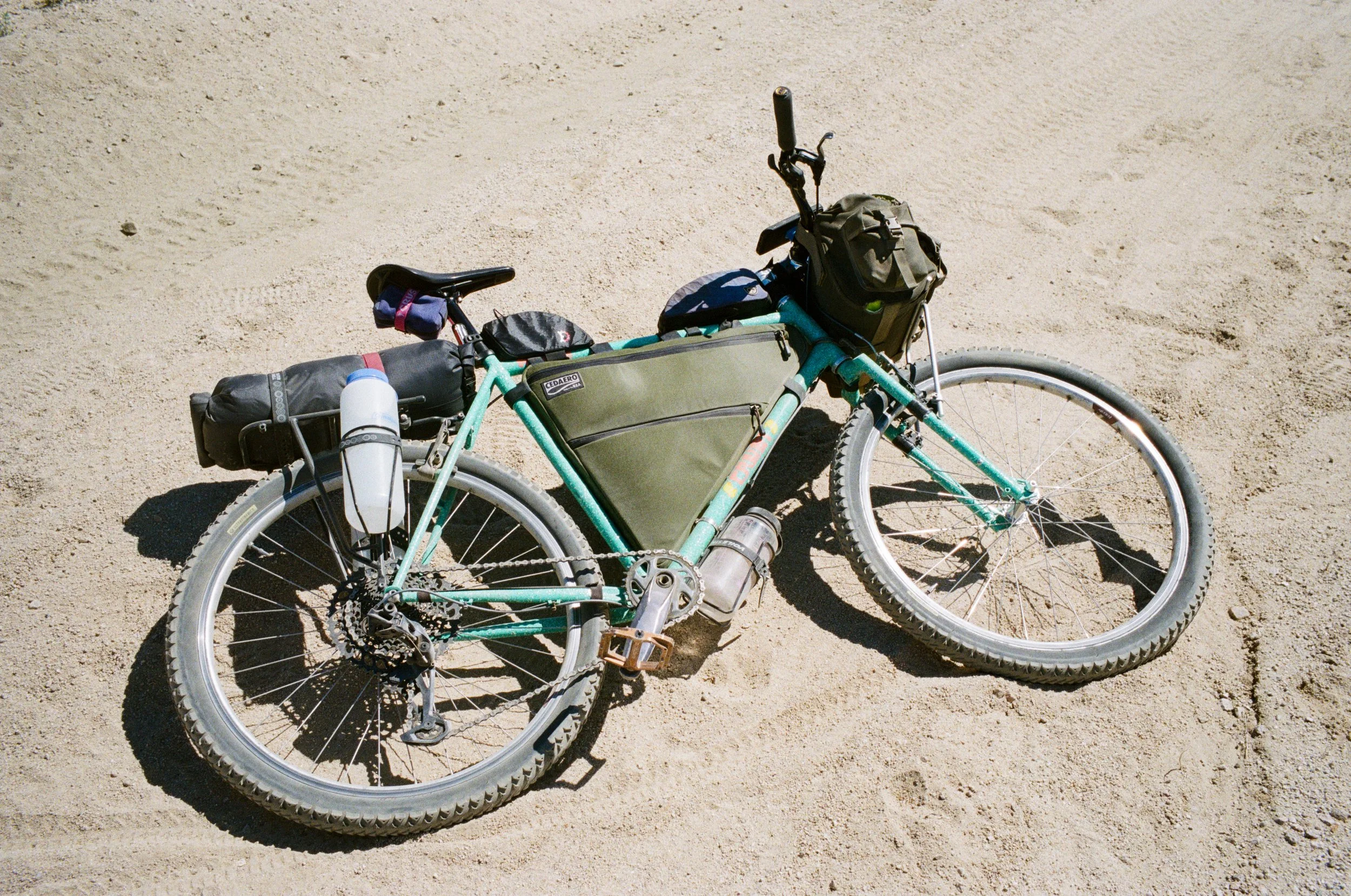
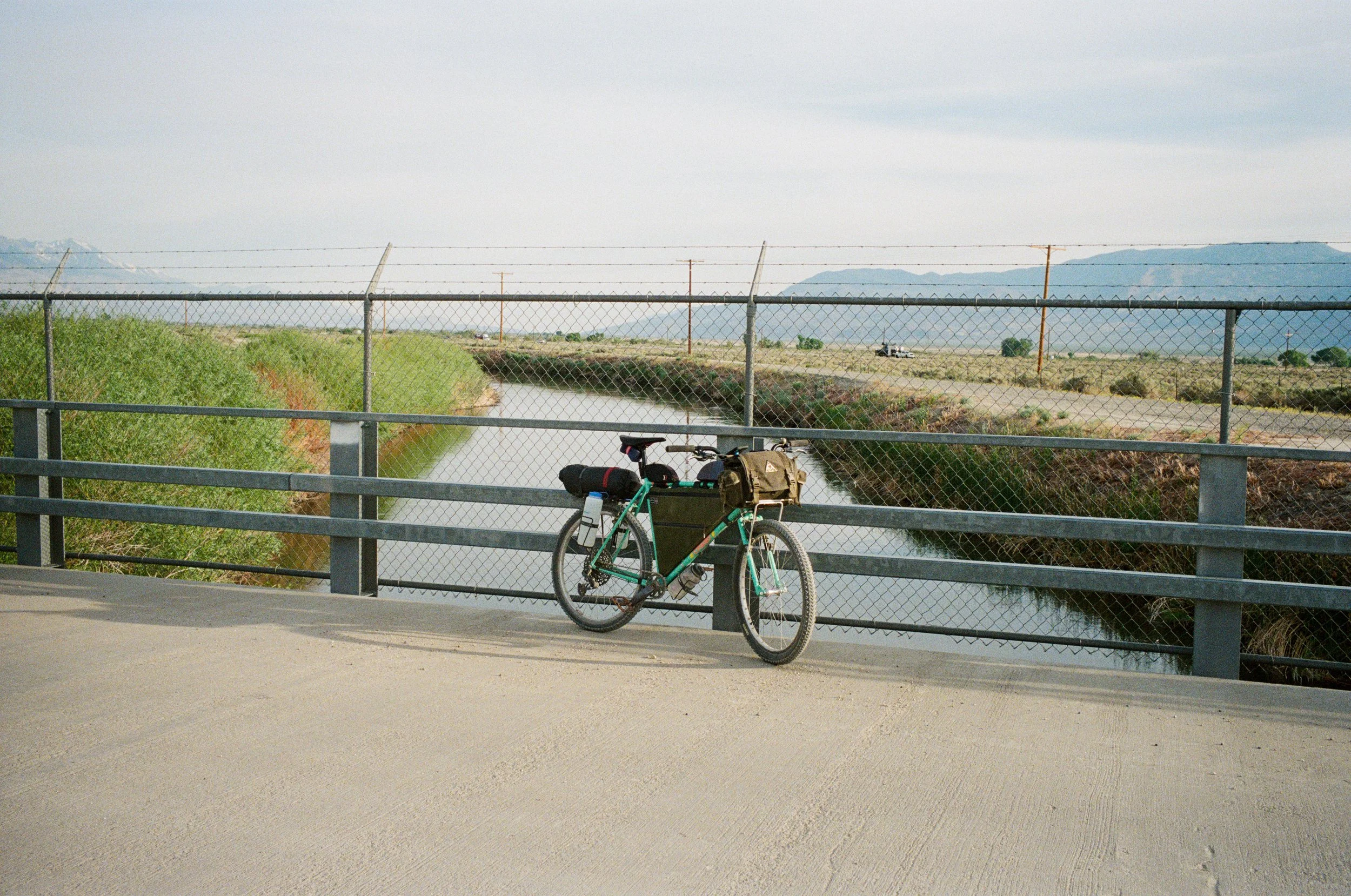
We both opted for rigid mountain bikes on this ride. This is my preferred style of bike as it allows for exploration into any terrain. Take a bike that you can fit the biggest tires you can into. I'm running 2.2 Ultradynamico Mars tires, and there were a few sandy points where I was wishing I had something a bit beefier.
Navigation
Mapping the region is also quite straight forward. Bring along a paper map, or save some topos for offline use on your phone. General topographic maps are the best way to navigate through the wilderness. Terrain is easily identifiable, and rerouting is actually possible - which can prove to be difficult when locked to a predetermined course on most bike computers.
Routing should always be part of the fun, part of the adventure. It's easier than ever today to log onto your computer, find a route someone has already done and reported on, send it to your Garmin, and repeat their trip. But some things are better left for self discovery. When you're out there riding amongst the hills, you might want to go around that corner and see where the river flows from. You might not want to take the same turns the map wants you to take, and for having these desires to vere off course, I applaud you.
Settle on a rough idea of where you want to head, and then do the rest of the real route planning in the field. Turn off on that road further up ahead if you want to camp along the creek. My fear with all of this is that people will continue to only look for the best trails to hike on AllTrails, or to only ride the perfect route they found on Strava, without ever actually trying to find their own way. Just because the person who put it on the internet said it was great doesn't mean there isn't something equally, or exceedingly, great still to be found.
Manzanar
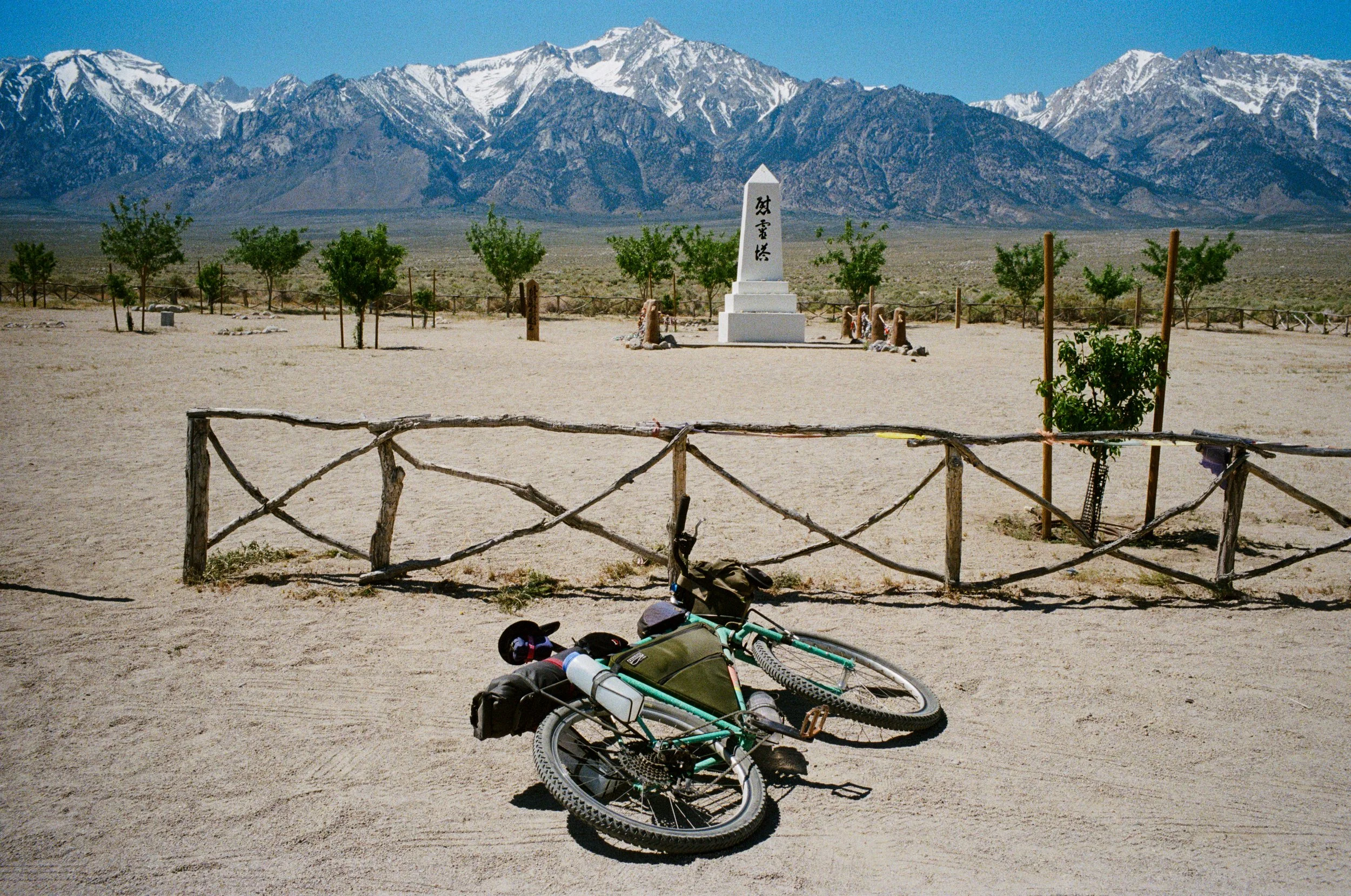
Our route crossed through another reminder of one of this country's more grim moments. During World War II, shortly after the bombing of Pearl Harbor, 110,00 Japanese-Americans we sentenced to relocate to internment camps like this one still preserved here in the Owens Valley - Manzanar. Many of these people were American-born citizens who were forced to leave their home for this 'prison' until the war ended.
Yet, today we are living through a similar time as our government is working to tear safe, happy, working families apart to ship them back to places where they may or may not even know a single person. A militarized police force in the streets of America is something we never believed could happen - something that would only happen elsewhere - but it is happening, and so, so much more is happening.
--
After we were sung to sleep by the sounds of Hogback Creek, we woke before the sun crested over the Inyo mountains to the east. As the warmth began to fill the valley, so did the water in my pot.
I filtered a bottle of creek water, topped off my cook-pot and lit the stove. I've carried this Bic lighter on just about every camping trip I've been on for the last 10 years. Somehow it just keeps lighting. I filled my Aeropress with coffee grounds and pressed the water through its filter.
Fed and caffeinated, we loaded up the bikes and made way back to the camper in Independence. As we rolled out of the Alabama Hills, we crossed over the LA Aqueduct. Over 400 million gallons of water flow from here down to Los Angeles every day - on average. And here I am, riding my bike besides it on my vacation away from work and life in the city.
It's a strange feeling, and one that is not lost on me. I was born and raised in Los Angeles, and so were my parents and even one of their parents. And their parents too. I drive from the city to recreate and take advantage of these outdoor spaces for which I, and millions of others, live off. When I turn on the faucet in the darkroom to wash the silver from my prints, I am able to do so because of the water from this magnificent place like no other.
We all experience realities like this first hand today. And it reminds me of this ethos - Enjoy Being. We can learn from the things that have already taken place. We can see how things have impacted others and we can hope to do better in the future. We need less of this, “there it is, take it,” mentality and more thinking centered around the idea of simply living amongst each other. All of us are here now, and it is clear the way we have been headed over the last couple of centuries is not going to last much longer. And right now it seems like the curve is ramping up steeper than ever in our efforts to end this thing we call life. But, there can be a way out, and we can make that change - one drop at a time.
Load up you bike, or backpack and come out to see and experience these wonderful places that bring us life. Call off of work, tell your friends you’re out for the weekend. Just get out into these places, while they're still here.
--trevor